In recent years, growing awareness about environmental responsibility has pushed individuals and communities to rethink how they manage unwanted clothing. Closets around the world are filled with garments that are no longer worn, yet many of these items end up in landfills instead of being reused or repurposed. This is where clothes recycling collection becomes essential. Rather than discarding textiles as waste, organized systems now allow individuals to contribute to a structured clothing recycling program that extends the life cycle of garments and minimizes environmental harm.
The fashion industry is one of the largest contributors to global waste and resource consumption. From water usage in cotton production to energy-intensive manufacturing processes, clothing carries a significant environmental footprint. By choosing to reuse old clothes, donate responsibly, or participate in textile recycling, individuals play a direct role in promoting sustainable fashion. Even small efforts, such as placing unwanted garments into designated recycling bins or arranging eco-friendly donations, contribute to a broader mission to reduce clothing waste and protect natural resources for future generations.
Clothes recycling collection is not just about disposal — it is about transformation. It shifts clothing from being seen as disposable products to valuable materials that can be reused, repurposed, or responsibly recycled. This change in mindset supports environmental sustainability while also benefiting communities in need.
What is Clothes Recycling Collection?
Clothes recycling collection refers to organized systems that gather unwanted garments and textiles for reuse, redistribution, or recycling. These systems are often part of a larger clothing recycling program operated by charities, municipalities, or private organizations. Instead of allowing clothing to accumulate in homes or be thrown away, individuals can place items in collection bins, schedule pickups, or drop them off at designated centers.
The primary goal of clothes recycling collection is to divert textiles from landfills and ensure they are managed in the most sustainable way possible. Depending on their condition, garments may be redistributed to those in need, resold to fund charitable initiatives, or processed through textile recycling methods to create new materials.
Purpose and Benefits
The purpose of a clothing recycling program extends beyond simple waste management. It aims to promote responsible consumption, extend the lifespan of garments, and encourage participation in sustainable fashion practices. The benefits are both environmental and social. Recyclable textiles are kept out of overflowing landfills, reusable clothing supports communities, and the overall demand for new production can gradually decrease.
How Recycling Helps the Environment
Recycling clothing significantly reduces environmental strain. Producing new garments requires raw materials, water, chemicals, and energy. When people choose to participate in textile recycling or reuse old clothes, they reduce the need for additional resource extraction and manufacturing.
Moreover, keeping textiles out of landfills prevents them from decomposing and releasing harmful greenhouse gases. Supporting clothes recycling collection initiatives ensures communities take measurable steps to reduce clothing waste, lower carbon emissions, and promote a circular economy.
How Clothes Are Collected and Processed
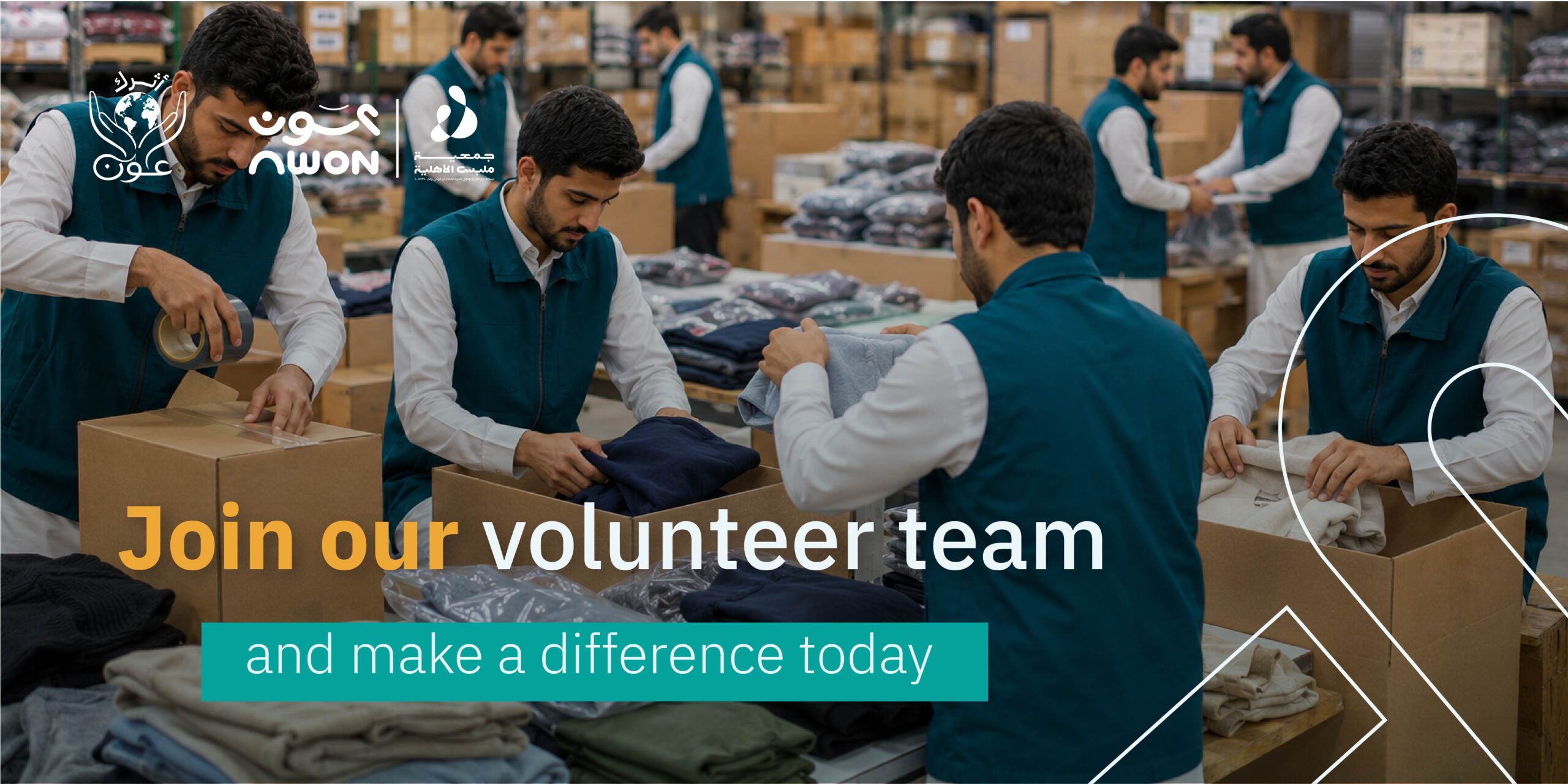
Clothes recycling collection typically begins with community participation. Individuals deposit unwanted garments at collection points or arrange pickup services. Once gathered, the items are transported to processing facilities where they are carefully assessed and categorized.
Sorting and Cleaning
Clothing is separated based on quality, material type, and usability. Wearable items are distinguished from those suitable only for recycling. Reusable garments are often cleaned or sanitized before redistribution to ensure eco-friendly donations remain safe and presentable.
Distribution or Recycling
After sorting, garments follow one of two primary paths. High-quality, wearable clothing is redistributed to individuals, charities, or secondhand markets, supporting affordability and sustainability. Items unsuitable for direct reuse are processed through textile recycling systems, transformed into insulation materials, industrial rags, or new fabric blends.
How You Can Participate
Participating in clothes recycling collection is simple. Communities often provide multiple ways to contribute, including public collection bins, charity drop-off centers, and scheduled pickups. Making participation a regular habit ensures consistent impact.
Drop-off Locations and Pickup Options
Many organizations provide convenient drop-off locations in neighborhoods, shopping centers, or community facilities. Some even offer door-to-door pickup services to encourage wider participation. Before donating, check local guidelines to ensure your items meet program requirements.
Preparing Clothes for Recycling
To maximize effectiveness, prepare your garments properly. Ensure they are dry and free from excessive contamination. While minor wear is acceptable for recycling, extremely damaged items should be separated. Sorting at home before drop-off helps streamline operations, making the clothing recycling program more efficient.
Conclusion
Clothes recycling collection represents a vital step toward a sustainable future. By participating in a structured clothing recycling program, individuals actively reduce landfill waste, conserve resources, and promote sustainable fashion practices.
Through responsible choices like eco-friendly donations and reusing old clothes, we collectively move toward a circular system prioritizing reuse over disposal. Every item redirected from waste contributes to long-term environmental balance.
Ultimately, the power to reduce clothing waste begins at home. Regularly assessing your wardrobe and choosing recycling over discarding transforms everyday decisions into meaningful environmental action. Clothes recycling collection is not merely about getting rid of unwanted garments it is about protecting the planet, supporting communities, and building a culture of conscious consumption for generations to come.