Community clothing donation programs are hyper-local initiatives designed to collect, sort, and redistribute wearable garments within a specific district or city to support residents facing financial hardship. By focusing on a localized approach, these programs ensure that aid reaches neighbors quickly and that the items provided are culturally and seasonally appropriate for the area. This grassroots method turns the act of giving into a community-wide conversation, where surplus resources are treated as shared assets that help every family maintain their dignity and comfort.
Community Clothing Donation Programs for Low-Income Families
These programs function as a localized bridge between the surplus in one household and the urgent needs in another, focusing on providing immediate relief to families living within the same district. Unlike large-scale national operations, a community giving clothes initiative often has a deeper understanding of the specific demographics it serves, such as the number of school-aged children in a neighborhood or the specific needs of elderly residents. It is a system built on proximity and trust, ensuring that help is never more than a few blocks away.
What Sets Community Clothing Donation Programs Apart?
The primary difference lies in the “personal touch” and the speed of the distribution cycle. Think of a community program like a neighborhood garden; because it is local, the people tending to it know exactly which parts of the soil need water and which plants are ready for harvest.
- Direct Knowledge: Organizers often know the families personally, which reduces the “matching error” where a family receives the wrong sizes.
- Reduced Logistics: Items don’t need to travel across the Kingdom; they stay within the city, reducing the carbon footprint of the local clothes charity.
- High Accountability: Donors can often see the impact of their gifts within their own streets, which encourages a long-term culture of giving.
Inspiring Clothing Donation Programs in Saudi Arabia
In recent years, we have seen a massive surge in clothing donation campaigns in Saudi Arabia that are led by neighborhood committees and local volunteer groups. These initiatives often peak during Ramadan or before the winter months, turning local community centers and mosques into hubs of activity. These programs prove that when neighbors look out for one another, the social fabric of the entire city becomes stronger and more resilient.
Key Metrics for Evaluating Donation Program Success
The success of a program is measured by the quality of the items redistributed, the speed of the turnover, and the level of satisfaction from the families receiving aid. A successful neighborhood donation program doesn’t just collect “weight”; it collects “value.” If a charity receives ten tons of clothes but only two tons are wearable, that program is failing its mission. High success rates are found in programs that prioritize the dignity of the recipient over the convenience of the donor.
The “Success Dashboard” for Local Programs:
- Utilization Rate: What percentage of collected items were actually given to families vs. sent to recycling?
- Dignity Score: Were the clothes clean, pressed, and ready to wear?
- Matching Accuracy: Did the shoes and jackets provided actually fit the children who received them?
- Response Time: How many days did it take from the moment a family requested help to the moment the clothes arrived?
How Community Clothing Donation Programs Change Lives?
These programs change lives by removing one of the most visible and stressful markers of poverty: inadequate or worn-out clothing. When a child from a struggling family walks into school wearing a clean, well-fitting uniform provided by a community giving clothes drive, their academic focus improves because they no longer feel out of place. For parents, it provides a “financial breathing room,” allowing them to spend their limited income on fresh food or medical needs instead of expensive apparel.
Why Local Clothing Drives Often Have the Greatest Impact?
Local drives have the advantage of “social context.” Because the organizers live in the same climate and follow the same customs as the recipients, the clothes collected are inherently useful.
- Cultural Relevance: A local drive in Riyadh will correctly prioritize the types of traditional wear and modest clothing that the community actually uses.
- Seasonal Agility: If a sudden cold front hits a specific region, a local neighborhood donation program can pivot in hours to distribute coats, whereas a national entity might take days to coordinate.
Real Examples of Community-Led Clothing Support in Saudi Arabia
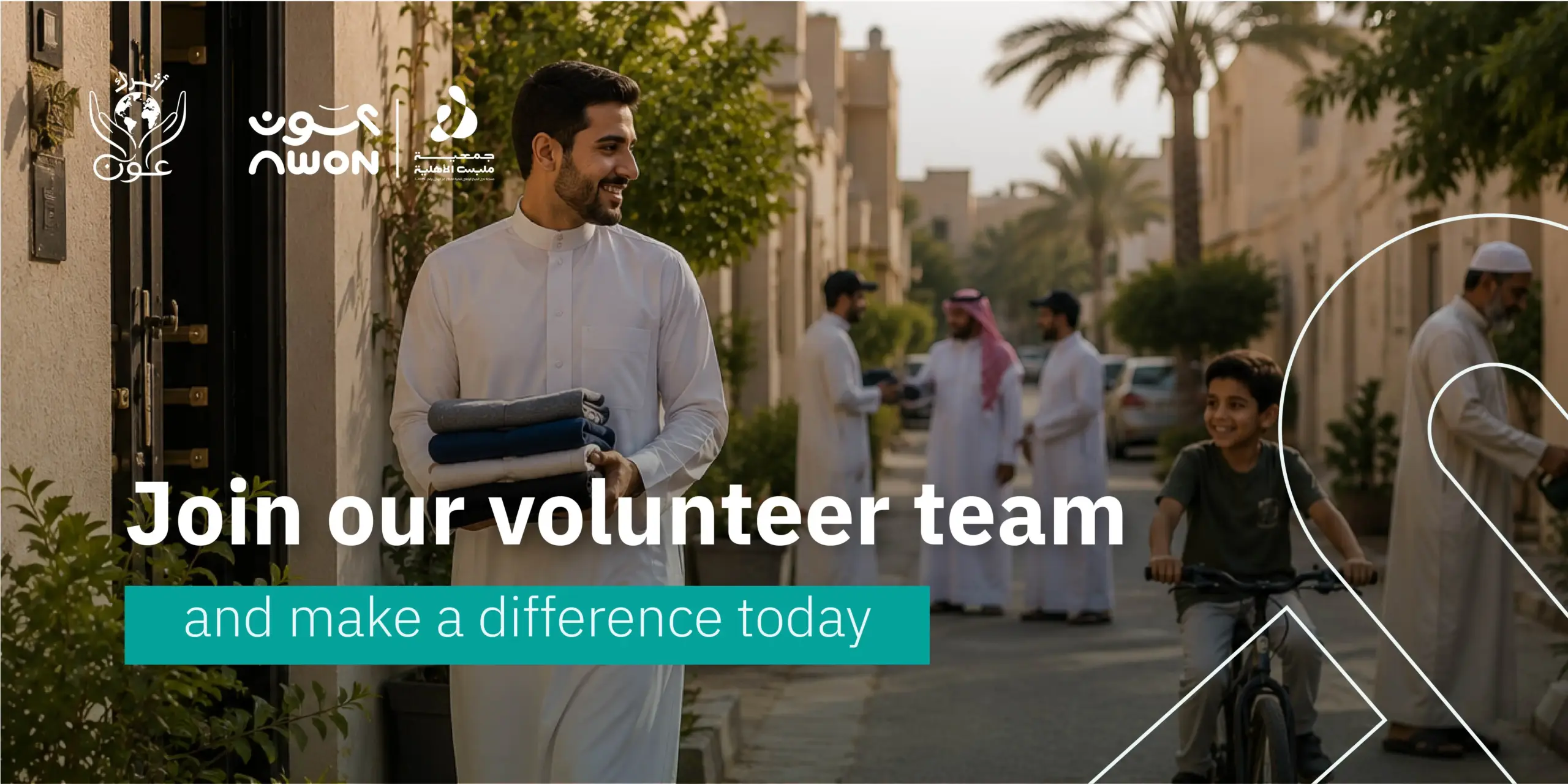
From the “Open Wardrobes” seen in some residential compounds to the organized mosque-based collections during Eid, the Kingdom is full of examples of grassroots success. These initiatives often start with a single WhatsApp group or a neighborhood notice board and grow into a professionalized local clothes charity that supports hundreds of households. These examples show that the most powerful solutions are often found right at our doorsteps.
Creating a Clothing Donation Program That Serves Families Effectively
To create a truly effective program, you must establish clear quality standards and a reliable logistics partner to ensure the clothes are handled professionally. It is not enough to just “collect” bags; you need a system for grading and distribution. The most successful modern programs now allow donors to Request Clothes Donation Pickup Online, which integrates the convenience of modern technology with the heart of local charity work.
Steps to Effectiveness:
- Needs Assessment: Talk to local families first to find out exactly what they are missing (e.g., “We have enough shirts, but we desperately need school shoes”).
- Strict Grading: Set a “Dignity Standard” where only items in excellent condition are accepted.
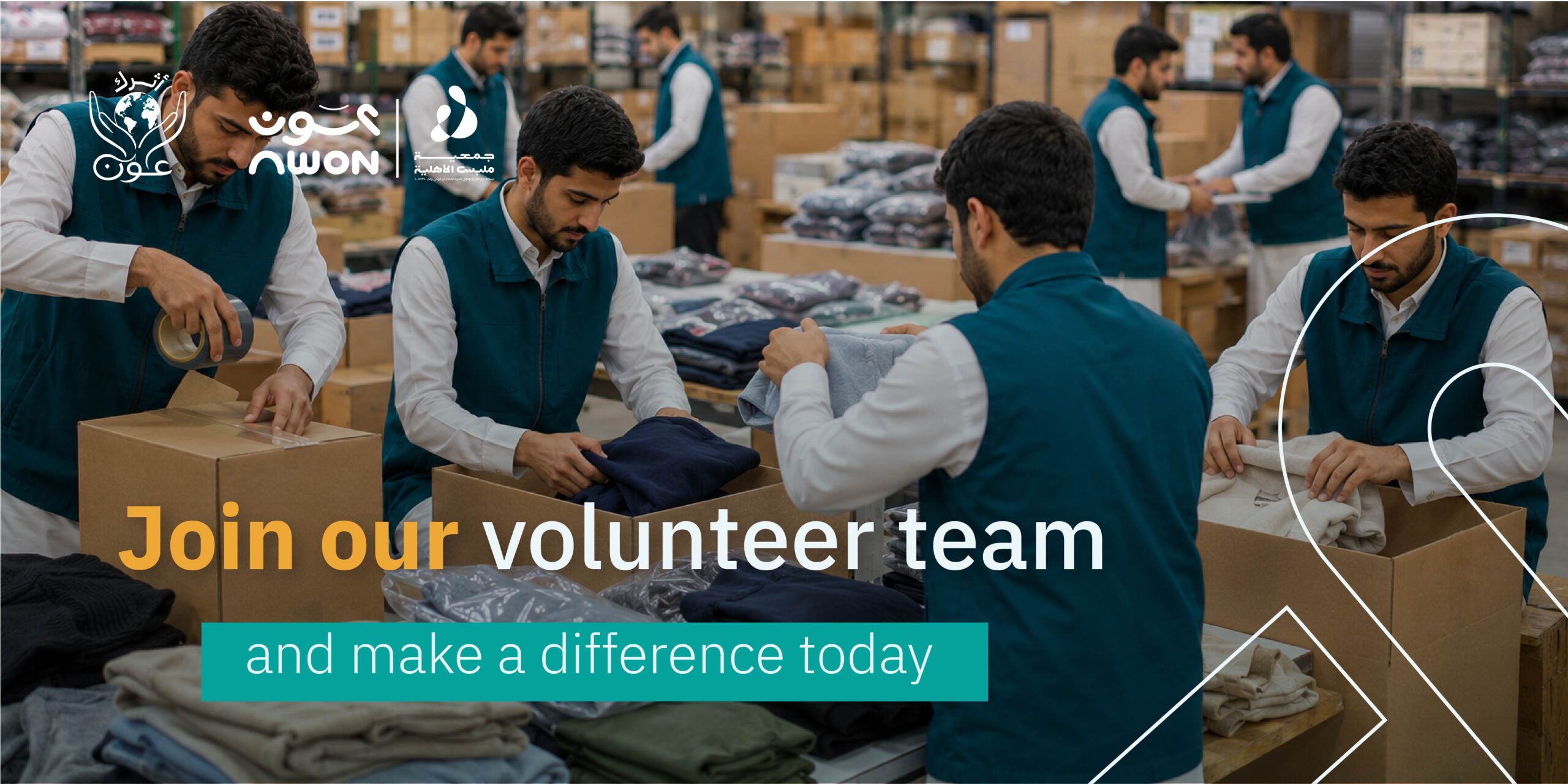
- Logistics Partnership: Work with a professional service to move items from homes to the sorting center to keep the process clean and organized.
How to Measure the Real Impact of Your Clothing Donation Efforts?
Real impact is measured through the lens of human stories and economic relief, rather than just raw data. You measure impact when a father tells you he finally felt confident enough to attend a job interview because of the suit provided by the program. It is measured by the reduction in textile waste in the local neighborhood and the increase in community trust.
Impact Beyond the Fabric:
- Economic Savings: Calculate the average cost of the items given to a family to see how much “disposable income” you’ve essentially given back to them.
- School Attendance: Track if children in the program are attending school more consistently once their clothing needs are met.
- Environmental Stewardship: Count the number of bags diverted from the local landfill through your local clothes charity efforts.
AWON Charity is proud to be a partner in this local movement, providing the professional logistics needed to make neighborhood giving seamless. They have revolutionized the way we give by offering a digital platform where you can easily schedule a collection for all types of clothing, various footwear, and different kinds of bags.
What is a community donation program?
It is a local initiative where residents of a specific neighborhood or city come together to collect and redistribute clothing to those in need within their own community. It focuses on local logistics and neighborhood support.
How do neighborhoods organize collections?
Most neighborhoods start through social media groups or local community centers. They set a specific date for a “drive,” designate a collection hub, and often partner with a professional pickup service to handle the transportation of the bags to a sorting warehouse.
Can mosques run programs?
Yes, mosques are some of the most effective hubs for community clothing donation programs. They act as a trusted central point where donors can drop off items and where families in need feel comfortable seeking assistance.