The lifecycle of donated clothes is the complete evolutionary path a garment takes from the moment it is set aside in your home until it fulfills a new purpose, either as a reused item for a family or as a recycled fiber for industrial use. This process is designed to maximize the utility of every fabric, ensuring that the resources used to create the garment are not wasted in a landfill.
By following a structured journey involving collection, grading, and redistribution, the charity system breathes a second life into dormant items, turning your “old” clothes into someone else’s “new” start.
The Full Lifecycle of Donated Clothes
The journey of a donated garment is a multi-step logistics operation that prioritizes human dignity, social equity, and environmental stewardship. It begins with the donor’s decision to give and ends when the item is either worn by a new owner or repurposed into a new material.
Think of this lifecycle as a “relay race” of kindness; you carry the baton for the first leg, and the charity takes over to ensure the finish line is reached. The Clothing Journey Charity process acts as a filter, ensuring that only the most respectful and high-quality items reach the hands of those in need, while the rest are diverted toward sustainable alternatives.
Stage 1: Collection
The collection phase is the “spark” that sets the entire lifecycle of donated clothes in motion, serving as the physical bridge between your closet and the charity’s warehouse. In the past, this required donors to find a physical bin, but today, a Doorstep Donation Service in Saudi Arabia has made the process much more sophisticated and cleaner.
- The Pickup: When a vehicle arrives at your home, it isn’t just taking a bag; it is initiating a chain of custody.
- Protection: Items are kept in closed environments to prevent damage from the intense sun or dust, preserving the textile lifecycle for as long as possible.
- Convenience: By removing the barrier of transportation, more people are encouraged to donate larger quantities, which provides the charity with a more diverse inventory of sizes and styles.
Stage 2: Sorting & Grading
Once the items reach a central hub, they enter the “Grading” phase, which is essentially a quality-control audit to determine clothes after donation outcomes. This stage is where the “grain is separated from the chaff.”
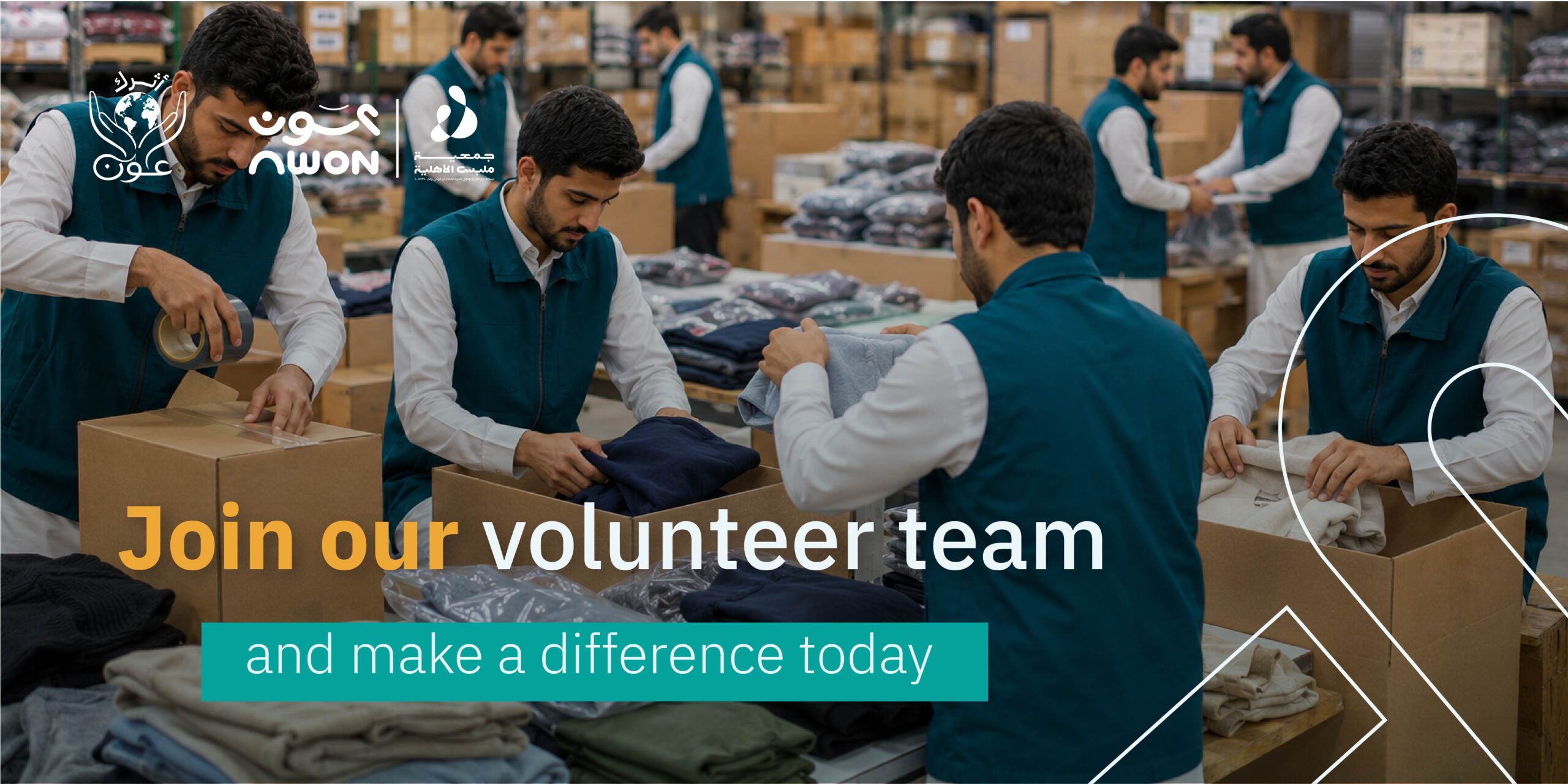
- Inspection: Volunteers or staff check for holes, missing buttons, or permanent stains.
- Grading Categories: Items are graded like fruit in a market. The “Premium” items (like-new) are separated for immediate use, while “Grade B” items might need minor cleaning.
- Specific Needs: Sorting also involves separating clothes by season, ensuring that a heavy wool coat isn’t sent to a family in the middle of a hot summer, but is stored safely for the winter months.
Stage 3: Redistribution
Redistribution is the “delivery” phase where the aid actually meets the human need. This is the most emotionally significant part of the clothing journey charity, where a garment finally regains its identity as an outfit.
- Family Portals: Many charities operate “boutique-style” centers where registered families can “shop” with points or vouchers, allowing them to choose clothes that fit their personal style and dignity.
- Direct Delivery: For those in remote areas, sorted bundles are delivered directly to their homes.
- Economic Support: In some models, clothes are sold in charity shops to raise funds for other social needs, such as medical aid or food baskets, meaning your shirt might indirectly pay for someone’s medicine.
Stage 4: Recycling or Upcycling
The final stage of the textile lifecycle is reserved for items that are no longer wearable. Instead of being discarded, these clothes are “deconstructed.”
- Industrial Transformation: Old t-shirts or torn trousers are shredded into raw fibers. These can become insulation for homes, stuffing for furniture, or even soundproofing material for cars.
- Upcycling: Sometimes, creative workshops turn old fabrics into new products like tote bags or carpets.
- Zero Waste Goal: This stage is crucial because it prevents clothing waste from polluting the environment. If a garment cannot be a “shirt,” it can still be a “resource.”
Choosing the Right Path for Your Donations
When you are ready to clear your space, knowing how to choose a donation center is the most important decision you will make. A high-quality center doesn’t just “take” your clothes; they manage the entire lifecycle with professionalism. You should look for organizations that have a clear presence in the community and offer transparency regarding where the items go.
A good center is like a reliable courier; they provide you with peace of mind that your “package” will be delivered to the right address with care.
Indicators of a Reliable Center
- Official Certification: They should be recognized by the Ministry of Human Resources and Social Development.
- Logistical Capacity: Do they have a professional Doorstep Donation Service in Saudi Arabia? This shows they are organized and have the resources to handle large volumes.
- Environmental Policy: Do they have a clear plan for Stage 4 (Recycling)? If they just throw away unwearable items, they aren’t truly sustainable.
Why AWON Charity is Your Ideal Partner in Giving?
AWON Charity has redefined the lifecycle of donated clothes by creating a system that is as much about technology as it is about empathy. They have transformed a once-complicated task into a few simple steps, ensuring that your generosity is channeled through the most efficient and respectful pathways possible.
- Universal Collection Scope: You don’t have to worry about whether your items “fit” their criteria; they accept a vast range of products, including all footwear, every type of clothing, and all varieties of bags.
- Simplified Digital Requests: Their scheduling system is remarkably easy to navigate, allowing you to organize a pickup without any unnecessary phone calls or paperwork.
- Authorized Integrity: They operate through a network of fully certified charities and reputable partners, ensuring your items follow a strictly legal and ethical route.
What percentage of donated clothes are actually used?
In a high-quality system, about 60% to 80% of items are redistributed for reuse. The remaining percentage, which consists of worn-out or stained items, is diverted to the recycling stage to ensure they don’t go to waste.
What is textile grading?
Textile grading is the professional process of evaluating garments based on their condition. Grade A is like-new, Grade B is gently used, and Grade C is for recycling. This ensures that the families receiving the aid get the highest possible quality.
What happens to unsellable items?
Items that cannot be worn again are sold to textile recycling companies. These companies shred the fabric to create industrial materials. The money made from selling these “rags” usually goes back into the charity’s fund to help pay for their logistics and community programs.