In many homes, closets are filled with garments that are rarely worn but still in good condition. While these items may no longer serve us, they can become a vital resource for someone else. Charity clothing donation programs are one of the simplest yet most meaningful ways to turn excess into impact. Instead of letting clothes sit unused for years, choosing to donate them can directly contribute to helping underprivileged individuals and families who struggle to meet basic needs.
Across communities worldwide, countless people lack access to sufficient clothing for work, school, or seasonal weather. A well-organized clothing drive or a simple used clothes donation can help bridge this gap. Clothing is not just about appearance — it represents warmth, protection, dignity, and inclusion. By redirecting wearable garments toward those in need, you extend their life cycle and create a chain of generosity that benefits both individuals and society as a whole.
Donating clothes to poor communities also encourages a more responsible lifestyle. It shifts our focus from accumulation to contribution, from consumption to compassion. When we recognize that even a single jacket, sweater, or pair of shoes can make a difference, we begin to see our closets not just as storage spaces, but as opportunities to support others — such as through collaborative community donation programs that maximize impact.
Why Donating Clothes to Poor Matters
Choosing to donate clothes is more than a charitable act — it is a response to real and pressing needs. Many families face financial hardship that forces them to prioritize essentials such as rent, food, and utilities over clothing. As a result, proper attire often becomes a secondary concern, even though it remains a fundamental necessity. Providing clothes for needy individuals helps relieve part of this burden and restores a sense of stability.
Beyond the material value, clothing donations communicate solidarity and empathy. They show that communities care about one another and are willing to share resources. When people participate in charity clothing donation, they strengthen social bonds and contribute to a culture of mutual support. Programs that coordinate donations centrally help amplify this impact by matching contributors with the families who need help most.
Social Impact of Clothing Donations
The social impact of clothing donations extends far beyond individual recipients. Organized clothing drives bring communities together around a shared purpose, encouraging collaboration and collective responsibility. Schools, workplaces, and local organizations often unite to gather garments, fostering awareness about poverty and inequality.
Additionally, consistent used clothes donation initiatives help reduce the strain on charitable organizations that serve vulnerable populations. When donations are steady and organized, charities can plan better, distribute resources more efficiently, and respond more quickly to urgent needs. This structured approach amplifies the overall impact of each donated item and makes these efforts more sustainable over time.
Supporting Families in Need
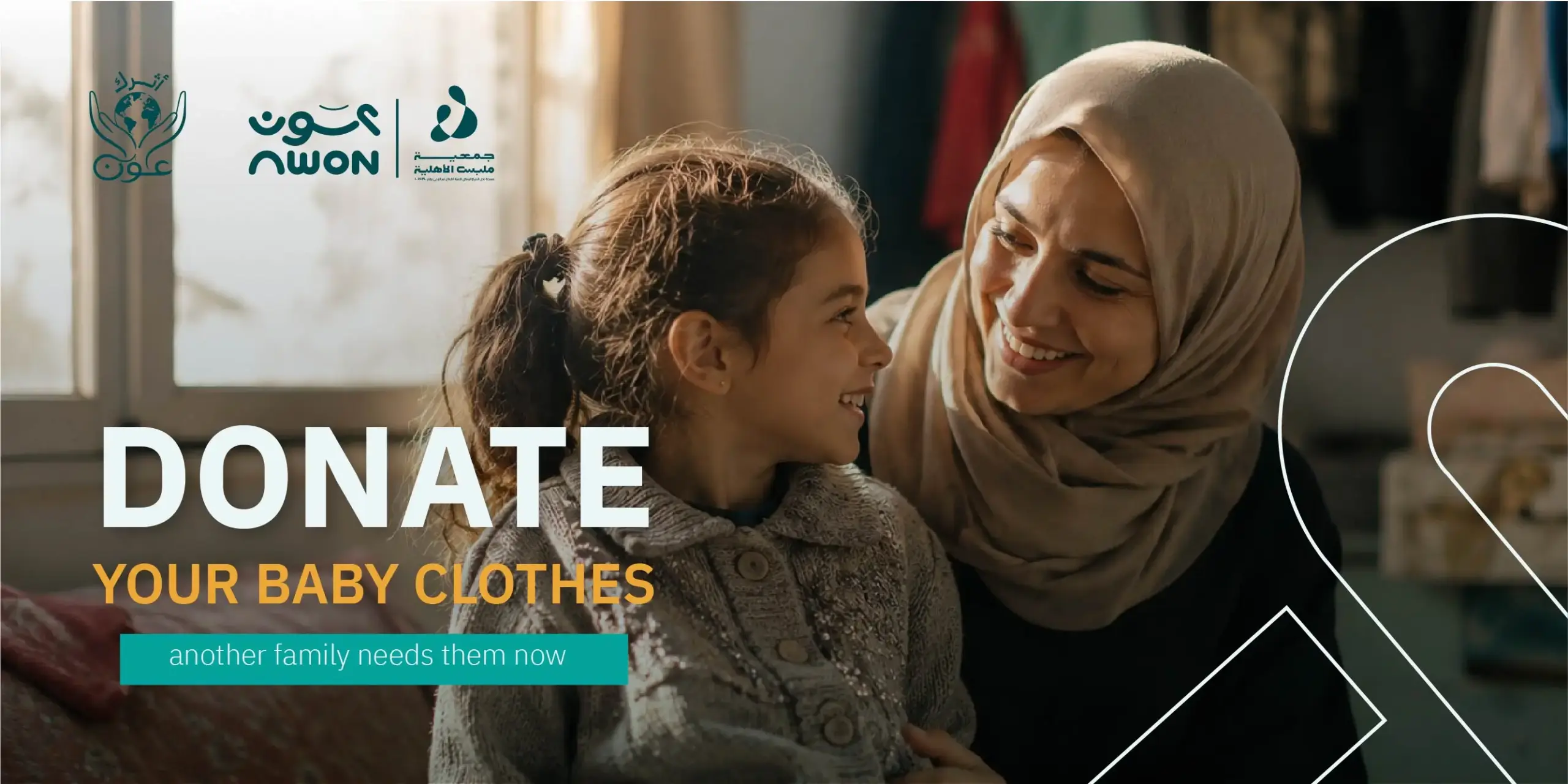
For struggling families, receiving donated clothing can significantly ease financial pressure. Children grow quickly and require frequent wardrobe updates, which can be costly. By providing clothes for needy households, donors help families allocate limited income toward other essentials such as education, healthcare, and nutritious food.
Clothing also plays a crucial role in confidence and social integration. A child who has suitable school attire feels more comfortable among peers, while an adult with appropriate clothing for work opportunities may feel more confident seeking employment. In this way, donating clothes contributes not only to comfort but also to dignity and empowerment.
How to Donate Clothes Effectively
Donating clothes thoughtfully ensures that your contribution makes the greatest possible difference. The first step is to evaluate the condition of the garments. Items should be clean, gently used, and free from major damage. Responsible used clothes donation reflects respect for the recipient and increases the likelihood that the clothing will be immediately useful.
Planning your donation carefully also involves selecting the right channel. Whether participating in a community clothing drive or making an individual drop-off, organization and preparation matter. Certain platforms provide structured systems that make the process easier and more impactful.
Choose a Trusted Charity
Selecting a reliable organization is essential for meaningful charity clothing donation. Trusted charities have clear systems for sorting, inspecting, and distributing clothing. They ensure that garments reach verified beneficiaries and are matched to seasonal or demographic needs.
You can explore structured initiatives for helping underprivileged communities that organize donation logistics efficiently and ensure transparency. By choosing an established charity, you enhance accountability and increase the likelihood that your clothes will reach families who truly need them.
Prepare Clothes Properly for Donation
Before donating, wash and neatly fold each item. Clean, well-presented clothing demonstrates consideration for the person who will receive it. Avoid donating garments that are stained, torn, or unsuitable for reuse.
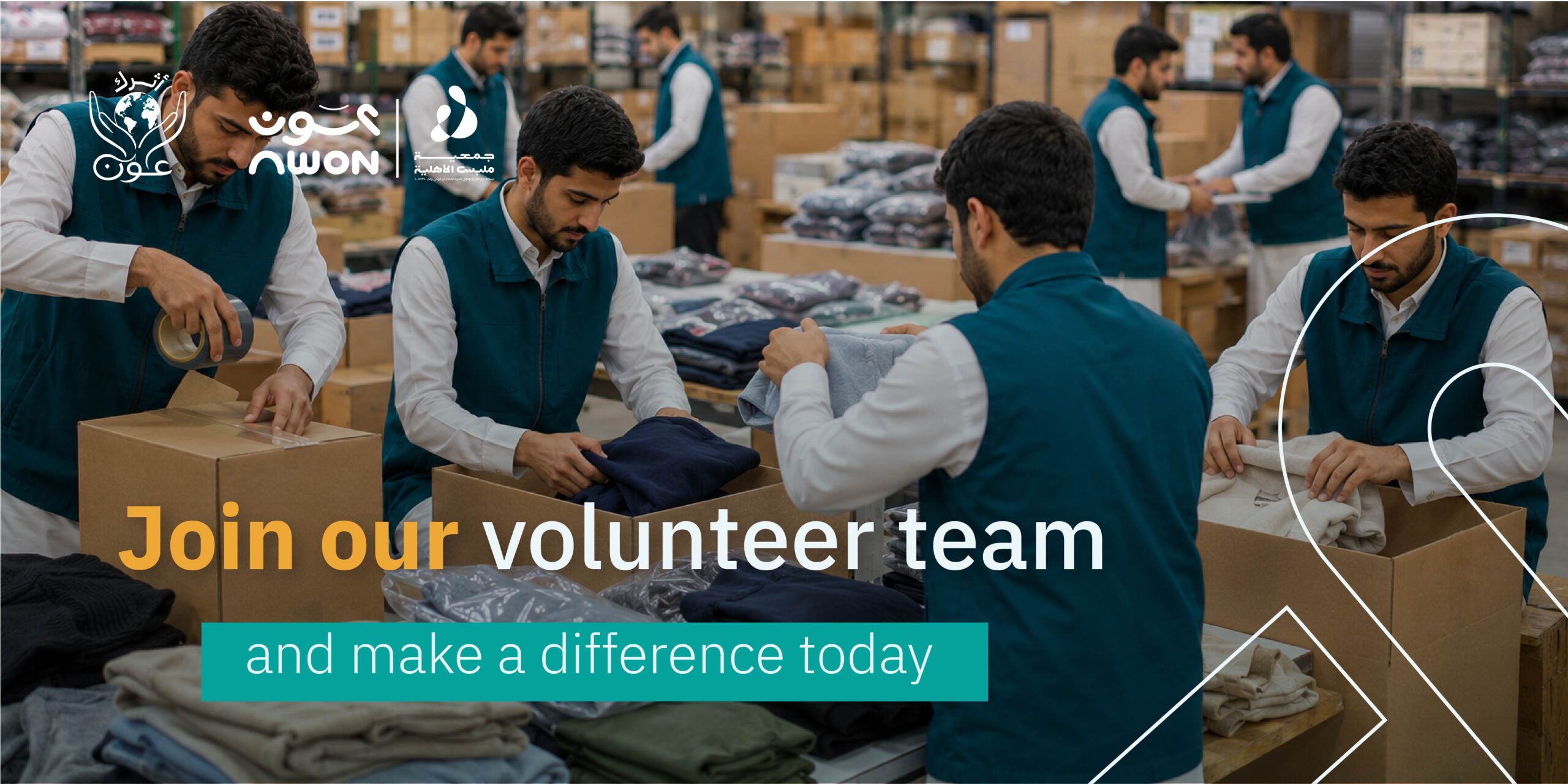
Proper preparation also helps charitable organizations save time and resources. When donations arrive ready for distribution, volunteers can focus on reaching more families rather than spending additional time sorting unusable items. Small steps in preparation significantly increase the overall value of your contribution.
Benefits of Donating Clothes
Donating clothes offers benefits that extend to donors, recipients, and the environment. On a personal level, decluttering creates a more organized living space and encourages mindful consumption. Letting go of excess fosters clarity and reduces unnecessary accumulation.
At a broader level, charitable clothing donation supports sustainable practices by extending the lifespan of garments. Instead of discarding wearable items, donors ensure they continue serving a useful purpose, which contributes to environmental stewardship and community resilience.
Reducing Waste
The fashion industry produces a significant amount of textile waste each year. By choosing used clothes donation over disposal, you reduce the volume of clothing sent to landfills. This simple decision conserves resources and lowers environmental impact.
Participating in a clothing drive also raises awareness about sustainable living. It encourages communities to rethink consumption patterns and embrace reuse as a practical solution to overproduction and waste — an approach that aligns with broader sustainability goals.
Providing Essentials for Those in Need
At its core, donating clothes is about meeting essential needs. Warm coats during winter, sturdy shoes for school, or professional attire for job interviews can make a tangible difference in daily life. Providing clothes for needy individuals ensures they have access to basic necessities that many take for granted.
Beyond functionality, clothing represents dignity. Wearing clean, appropriate garments helps individuals feel valued and respected. Each donation carries the message that someone cares enough to share what they have, and that message often matters as much as the clothing itself.
Conclusion
Donating clothes to poor communities is a simple yet powerful act that transforms unused garments into meaningful support. Through thoughtful charity clothing donation, individuals can actively participate in helping underprivileged families and strengthening social solidarity. What may appear as surplus in one household can become an essential resource in another.
By preparing donations carefully, choosing trusted organizations, and participating in organized clothing drives, you ensure that your contribution has lasting impact. Responsible used clothes donation not only reduces waste but also provides clothes for needy individuals who rely on community support.
Ultimately, giving clothes is about more than clearing space — it is about sharing opportunity, restoring dignity, and fostering compassion. Each item you donate carries warmth, comfort, and hope. When multiplied across communities, these small acts of generosity build a stronger, more caring society where resources are shared and no one is left without basic essentials.