Clothes donation logistics in Saudi Arabia involve a sophisticated “reverse supply chain” that manages the flow of garments from a donor’s residence through professional sorting facilities to their final destination with families in need. Unlike a traditional retail chain that moves products from a factory to a home, this system works in the opposite direction, collecting diverse, unorganized items and transforming them into a structured aid resource.
Through a combination of digital booking, GPS-optimized transportation, and climate-controlled warehousing, the Kingdom has developed one of the most efficient textile recovery systems in the region, ensuring that generosity is never lost to poor handling.
Clothes Donation Logistics in Saudi Arabia
The clothes donation logistics in Saudi Arabia function as a coordinated network of NGOs, logistics partners, and government-verified platforms that prioritize speed, quality control, and dignity. When you decide to give, you initiate a donation supply chain that relies on precise data to ensure that a winter coat donated in Riyadh reaches a cold, mountainous region in the north within days.
This transition from a “cluttered closet” to “community aid” is fueled by a specialized distribution system designed to maximize the life of every fabric.
1- The Complexity of the Reverse Flow
Handling clothes logistics is significantly more difficult than standard shipping because every “package” is unique. A logistics team must be able to:
- Adapt to Volume: Manage massive spikes in donations during Ramadan or the start of winter.
- Maintain Quality: Protect fabric from the intense heat and dust that can degrade fibers during transport.
- Ensure Efficiency: Use smart routing to minimize the carbon footprint of collection vehicles.
2- Collection Systems
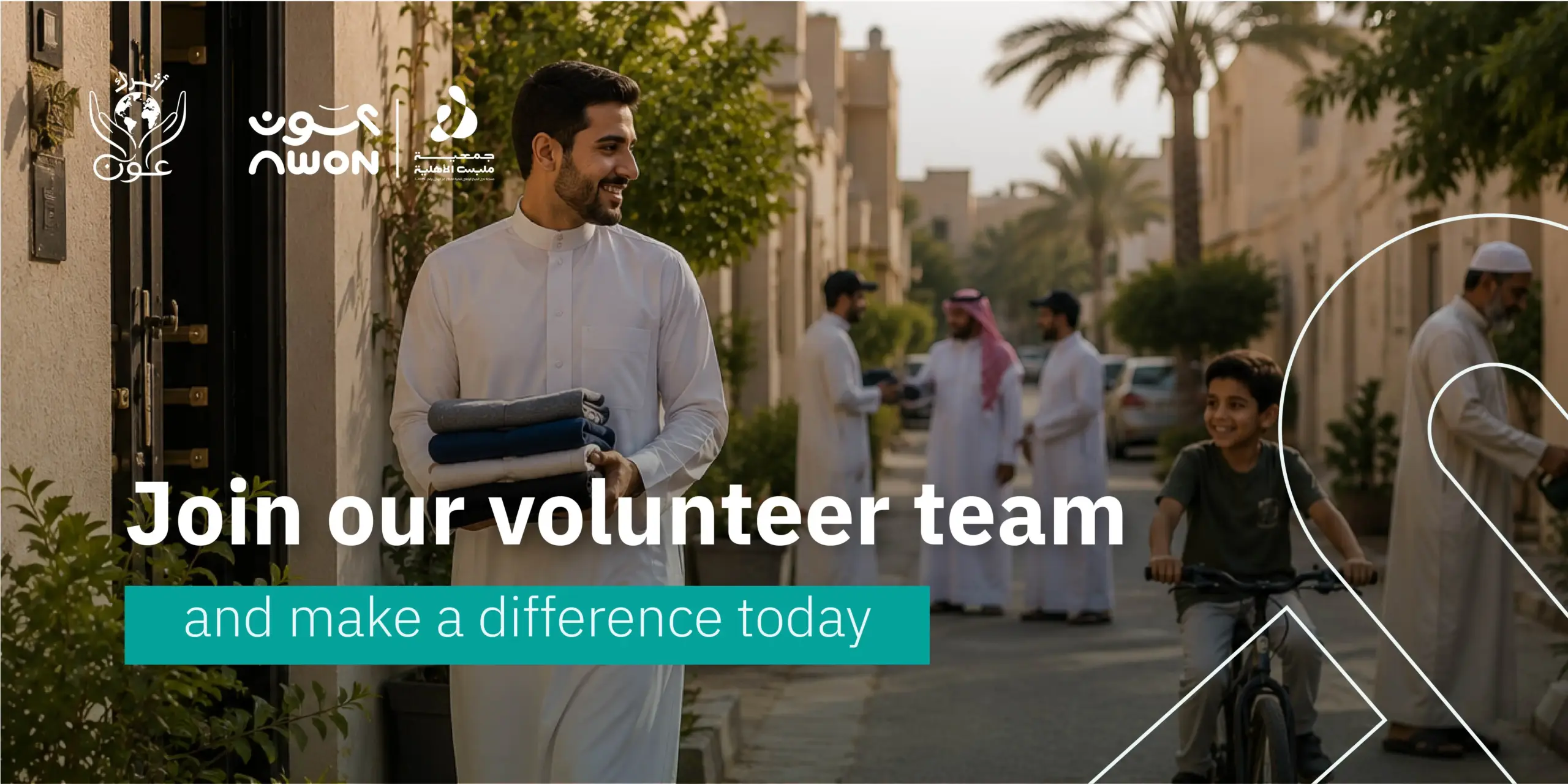
The collection phase is the “front door” of the logistics process, and it has recently evolved from static street bins to a proactive Doorstep Donation Service in Saudi Arabia. The need for better quality control and donor convenience drove this change.
- On-Demand Scheduling: Donors use apps to “summon” a collection team, much like they would order a meal or a ride-share.
- The “Kindness Courier” Analogy: Think of the collection driver as a specialized courier. Their job isn’t just to move a box; it’s to ensure the “gift” inside remains clean and dry.
- Pre-Sorting: Professional systems often provide donors with guidelines on how to bag items, which acts as a “pre-sorting” step that saves hours of labor later in the chain.
3- Transportation Process
Once the items are collected, the transportation stage is where the donation supply chain focuses on speed and safety. Because textiles are susceptible to odors and moisture, the vehicles used are more than just simple trucks.
- Climate Considerations: Vans are often equipped with ventilation to ensure that clothes don’t develop a “musty” scent during the long drives between cities.
- GPS Integration: Drivers follow optimized routes provided by a central dispatch. This ensures that a single van can visit thirty homes in one neighborhood without backtracking, saving fuel and time.
- Secure Containment: Bags are stacked in a way that prevents heavy items from crushing delicate fabrics, ensuring a silk abaya arrives in the same condition it left the donor’s home.
4- Storage and Warehousing
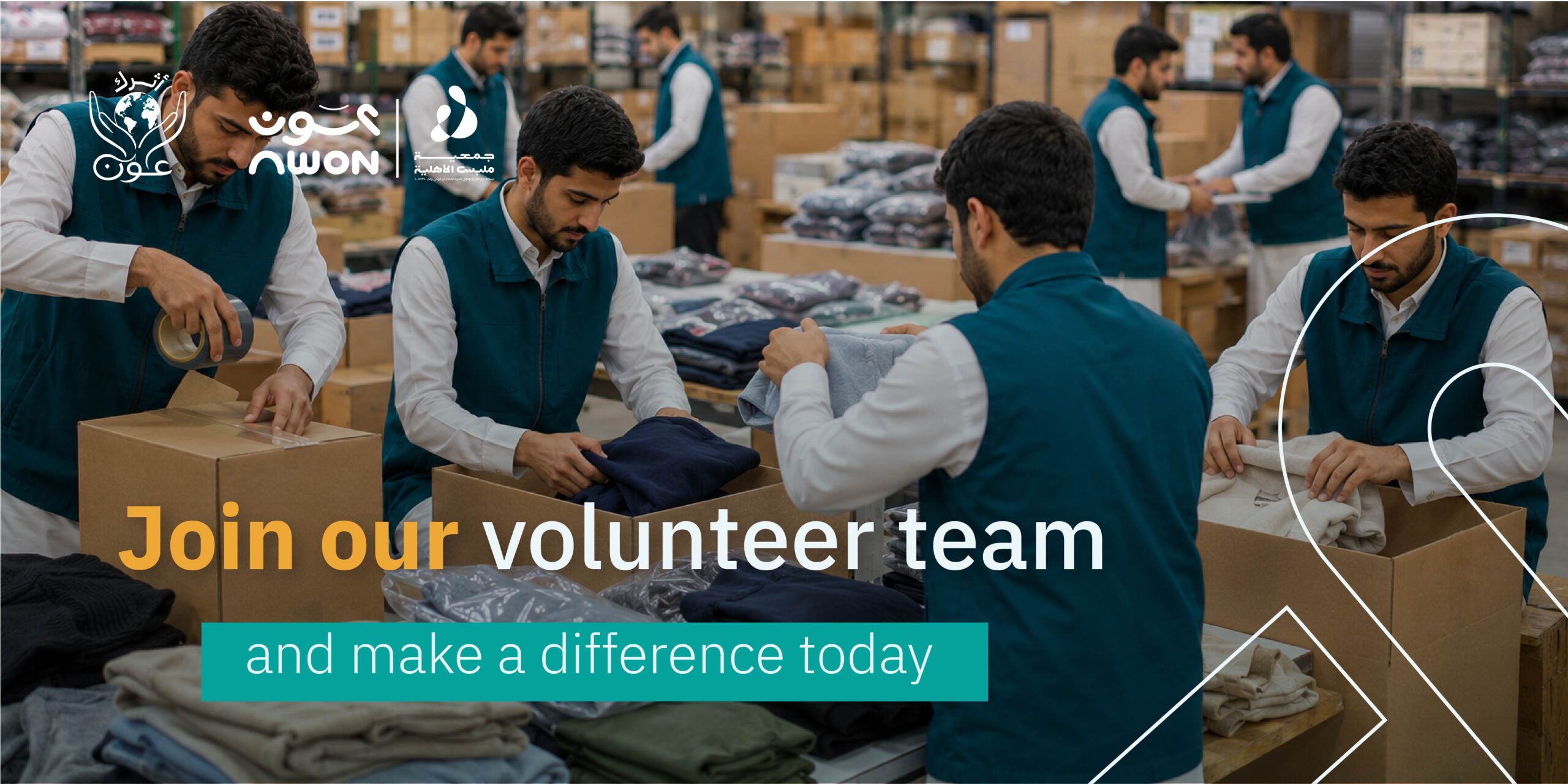
When the van reaches the central hub, the clothes logistics shift from movement to management. A charity warehouse is not just a storage room; it is a high-speed processing center where every item is graded.
- Intake Grading: Workers act like “inspectors” at a border. They quickly categorize bags into:
- Tier 1: High-quality, like-new items for immediate redistribution.
- Tier 2: Standard wearable clothes for daily use.
- Tier 3: Non-wearable textiles for industrial recycling.
- Inventory Control: Items are logged by size, gender, and season. This is like a “library for clothes”, the warehouse manager must know exactly where the “winter coats” are kept so they can be pulled out the moment a cold front is forecasted.
5- Final Distribution
The final stage of the distribution system is where the logistics become a humanitarian effort. This is the moment where the clothes are handed over to the final recipient, and it must be handled with the highest level of privacy and respect.
- Mobile Distribution Units: For remote villages, charities send “shops on wheels” that bring a curated selection of clothes directly to those who cannot travel to the city.
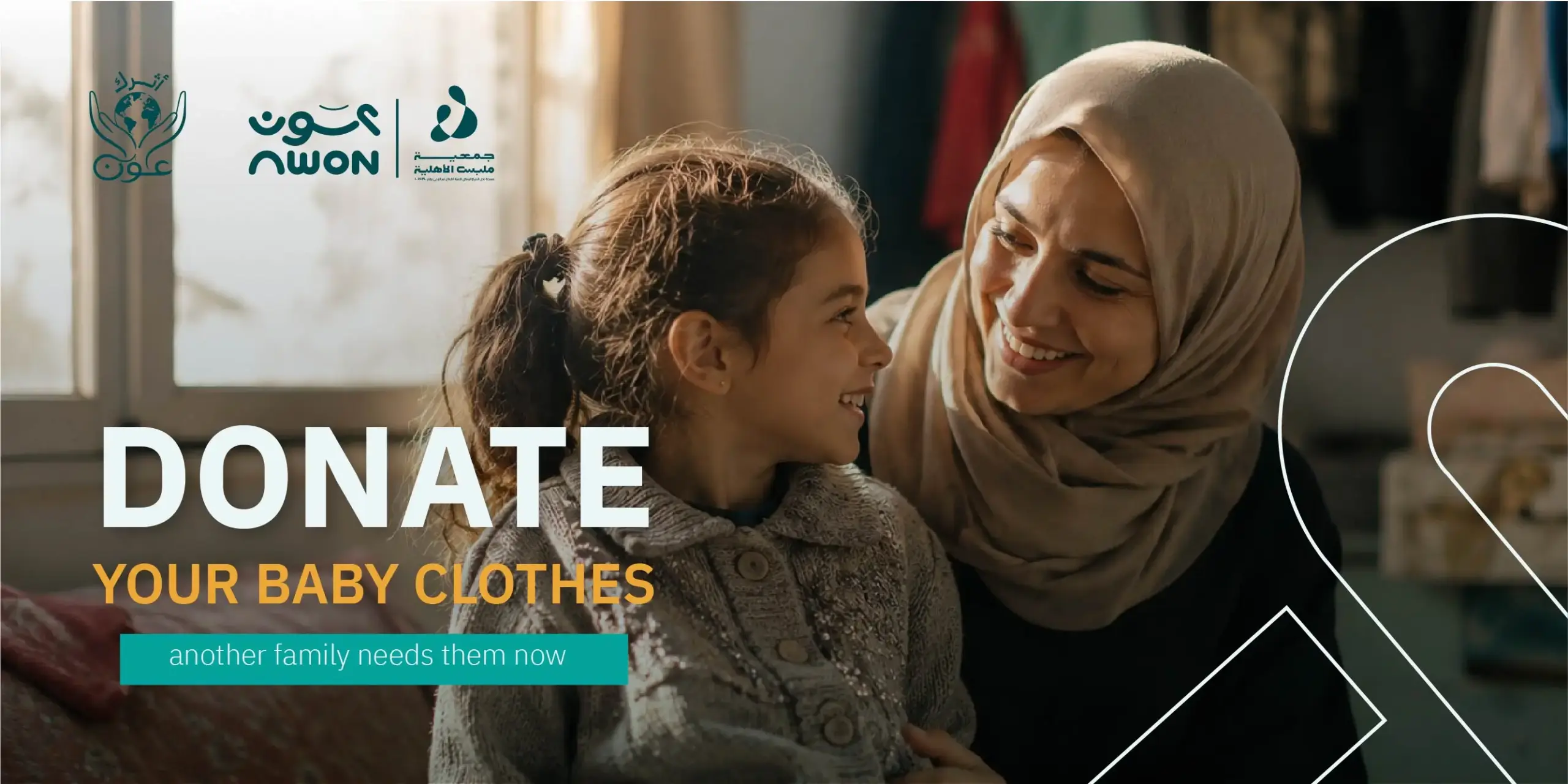
- Dignified Boutiques: In many urban centers,Donating Clothes to Poor families is done through specialized centers that look like retail stores. Families can “shop” for what they need, ensuring they receive clothes that actually fit their style and size.
- Emergency Dispatch: Logistics teams keep a “reserve stock” for unexpected events like fires or natural disasters, allowing them to provide a family with a full wardrobe within hours of an emergency.
Why Advanced Logistics Matter for Social Impact?
Without a professional donation supply chain, the act of giving would be wasteful. If a charity doesn’t have a good distribution system, thousands of tons of clothes would simply rot in warehouses. Professional clothes logistics ensure that the “value” of your clothes is preserved.
Imagine a relay race: the donor runs the first leg, the collection team runs the second, the sorters run the third, and the distribution team runs the final lap. If any of those runners drop the baton (the clothes), the entire effort fails. High-quality logistics in Saudi Arabia ensure that the baton is never dropped.
Improving Your Contribution Through AWON’s Advanced Network
When you choose to give, the partner you select determines the success of that garment’s journey. AWON Charity has built a logistics framework that stands at the forefront of modern social work in the Kingdom, making the process of helping others as easy as checking your phone.
- A Truly Inclusive System: AWON doesn’t just take specific items; their logistics are set up to handle all varieties of footwear, every type of clothing, and an extensive range of bags and accessories.
- Frictionless Digital Integration: They have removed the administrative hurdles from the process. Their digital platform allows for an incredibly straightforward ordering experience that fits into your daily routine.
- Zero-Cost, Site-Based Receipt: One of their most impactful logistics features is providing a free-of-charge collection from your specific location. You don’t have to worry about the “middle mile”; they bring the van to you.
- Supporting the National Goal: AWON is deeply committed to the Kingdom’s Vision 2030. Their operations focus on high-tier recycling and social sustainability, turning “textile waste” into a pillar of a greener and more supportive Saudi Arabia.
- Trusted and Authorized Path: Every item collected travels through a network of certified non-profits and reputable partners. This ensures that your gift follows a legal, transparent, and ethical path from start to finish.
How are donations transported?
In Saudi Arabia, donations are typically moved in branded, professional vans or trucks that are part of a charity’s dedicated fleet. These vehicles are managed by dispatchers who use software to create the most efficient routes possible, ensuring bags are collected quickly and safely.
Who manages logistics?
The logistics are managed by a combination of charity staff, professional logistics partners, and trained volunteers. Large organizations like AWON have specialized logistics coordinators who oversee the entire “reverse supply chain,” from the initial app request to the final delivery at a family’s home.
What technology is used?
Modern systems use a variety of technologies, including GPS for route optimization, mobile apps for donor communication, and warehouse management systems (WMS) to track inventory levels. Some organizations are even exploring the use of data analytics to predict which neighborhoods will have the most donations during certain times of the year.