The Clothing Donation Sorting Process is a rigorous, multi-stage quality control system that transforms a mixture of household items into a dignified inventory for families in need. Once a bag enters a facility, it is opened and evaluated by trained staff who categorize each piece based on its condition, gender, size, and seasonal relevance. This systematic approach ensures that every garment provided to a recipient is clean, functional, and respectful, while any items that fail the quality check are diverted toward textile recycling to maintain a zero-waste policy.
Clothing Donation Sorting Process: Step By Step
A professional Clothes Donation Service functions much like a high-end logistics hub, where the primary goal is to match “dormant assets” from one home with the urgent needs of another. When items arrive, the sorting team begins a “filtering” process that prioritizes the dignity of the final recipient. Instead of random handouts, charities organize their inventory so that a family can receive a curated bundle that actually fits their lives. This prevents waste and ensures that a donation isn’t just a “drop in the ocean,” but a direct solution to a specific problem.
The Sorting Room
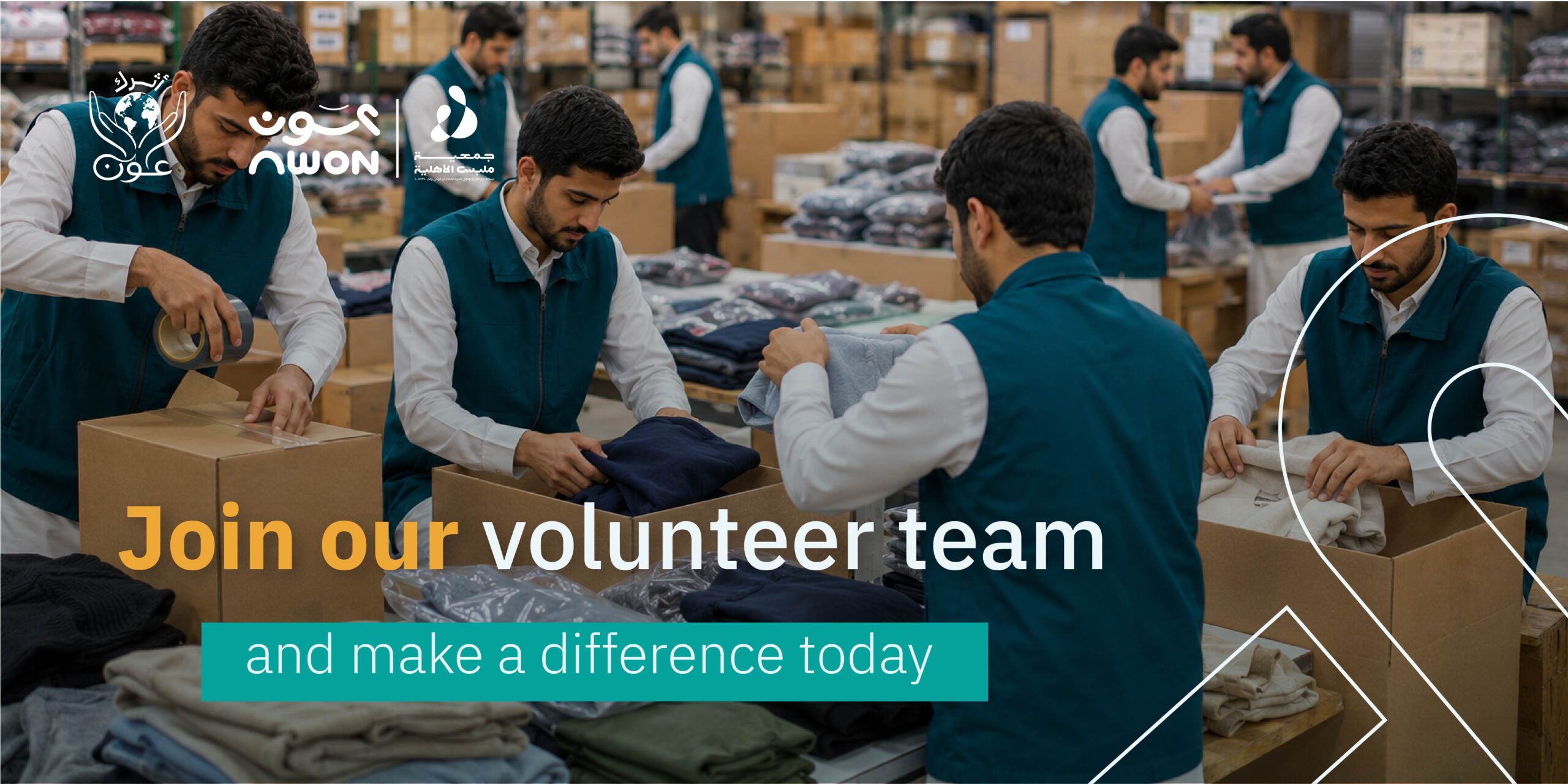
The charity sorting room is the engine of the organization, often buzzing with the quiet focus of volunteers and the rustle of fabric. Think of this space like the kitchen of a five-star restaurant; every “ingredient” (your clothing) must be inspected, cleaned, and prepared before it is served to the “guest” (the recipient). It is an environment built on efficiency, where items move from large collection bins to specialized shelves in a matter of minutes.
In this room, you will typically see:
- Sorting Tables: Large, clean surfaces where clothes are laid flat for a 360-degree inspection.
- Size Bins: Containers labeled clearly with age groups or standard sizing (S, M, L, XL) to make distribution faster.
- Repair Stations: Areas where minor issues—like a loose thread or a missing button—can be fixed if the garment is of exceptionally high quality.
- Labeling Zones: Where bags are tagged with their contents, ensuring the warehouse manager knows exactly where to find “Size 10 Boys’ Summer Shirts” at a moment’s notice.
Grading Systems
To maintain high donation standards, charities use a technical process known as clothes grading. This is where the textile classification becomes specific. Every item is assigned a “grade” that determines its next destination. This prevents “clutter” in the distribution centers and ensures that only the best items are offered for direct wear.
The Grading Tiers:
- Grade A (Premium): These are items in perfect condition, often still featuring original tags or showing zero signs of wear. These are reserved for festive occasions like Eid or for families starting completely from scratch.
- Grade B (Standard): These are “gently used” items. They are clean, functional, and respectable, perfect for daily school or work wear.
- Grade C (Recyclable): Items that are permanently stained, ripped beyond repair, or heavily pilled. These are not discarded but are set aside for industrial recycling.
What Gets Rejected
Items are rejected when they fail the “dignity test” or pose a hygiene risk. A rejection isn’t a dismissal of the donor’s kindness, but a necessary step to protect the health and self-esteem of the recipients. If an item looks like “trash,” it shouldn’t be given to someone who is already struggling.
Common Reasons for Rejection:
- Heavy Staining: Large grease, oil, or bleach marks that cannot be washed out.
- Structural Failure: Shoes with detached soles or coats with broken main zippers that would be too expensive to fix.
- Hygiene Issues: Used undergarments or swimwear that aren’t in their original, sealed packaging.
- Environmental Damage: Clothes that have been stored in damp basements and have developed mold or a permanent “attic” smell.
From Sorting to Distribution
Once an item has survived the grading process, it moves from the charity sorting room to the “Last Mile” of the journey. This is where the logistics turn into a humanitarian mission. The goal is to get the clothes out of the warehouse and into a home as quickly as possible, as a shirt in a box is helping no one.
Distribution Methods:
- Dignified Boutiques: Many organizations set up “shops” where families can choose their own clothes. This preserves their sense of agency—they aren’t just given a bag; they are allowed to pick a style they actually like.
- Mobile Assistance Units: Trucks loaded with sorted bags visit remote villages, bringing the Clothes Donation Service directly to the doorsteps of those who cannot travel.
- Emergency Response: A reserved portion of sorted stock is kept for house fires or sudden disasters, allowing a charity to provide a full wardrobe to a family within hours.
Trusting a Professional System for Your Donations
A professional charity doesn’t just “take your stuff”; they manage a sophisticated lifecycle that honors your gift. By selecting a partner that invests in sorting rooms and grading systems, you ensure your old favorites truly become someone else’s new beginning.
AWON Charity has built a reputation as a leader in this field by refining every step of the process to match the highest modern standards. They have turned the act of giving into a seamless experience that respects both the donor’s lifestyle and the recipient’s needs.
- Total Inventory Acceptance: AWON doesn’t limit your generosity. They have the capacity to handle everything from all types of footwear to every category of clothing and a wide range of bags.
- Streamlined Digital Booking: Their online platform is designed for modern life, making it incredibly easy to schedule a request without any logistical stress.
- Free Home Collection: They provide a complimentary service where their team comes directly to your site, removing the burden of transporting heavy bags yourself.
- Official and Certified: Your donations are managed through a network of authorized charities and trusted partners, ensuring a fully transparent and legal pathway for every item.
- National Vision Alignment: By focusing on high-quality sorting and textile recycling, AWON directly supports Saudi Arabia’s Vision 2030, fostering a more sustainable and socially responsible Kingdom.
Who decides what to keep?
The decisions are made by trained quality-control specialists and experienced volunteers. They follow a strict set of donation standards provided by the organization to ensure consistency. Every item is viewed through the lens of: “Is this item dignified enough for a neighbor to wear?”
How long does sorting take?
In a high-efficiency charity sorting room, a bag can be processed in under ten minutes. However, during peak times like Ramadan or the start of winter, the sheer volume of donations means it might take a few days for your specific bag to move from the intake area to the sorting table.
Are clothes cleaned before distribution?
While charities ask donors to wash clothes beforehand, many organizations perform an extra steam-clean or sanitization process for premium items. However, to keep logistics moving fast, it is always best if the donor provides items that are already clean and dry.