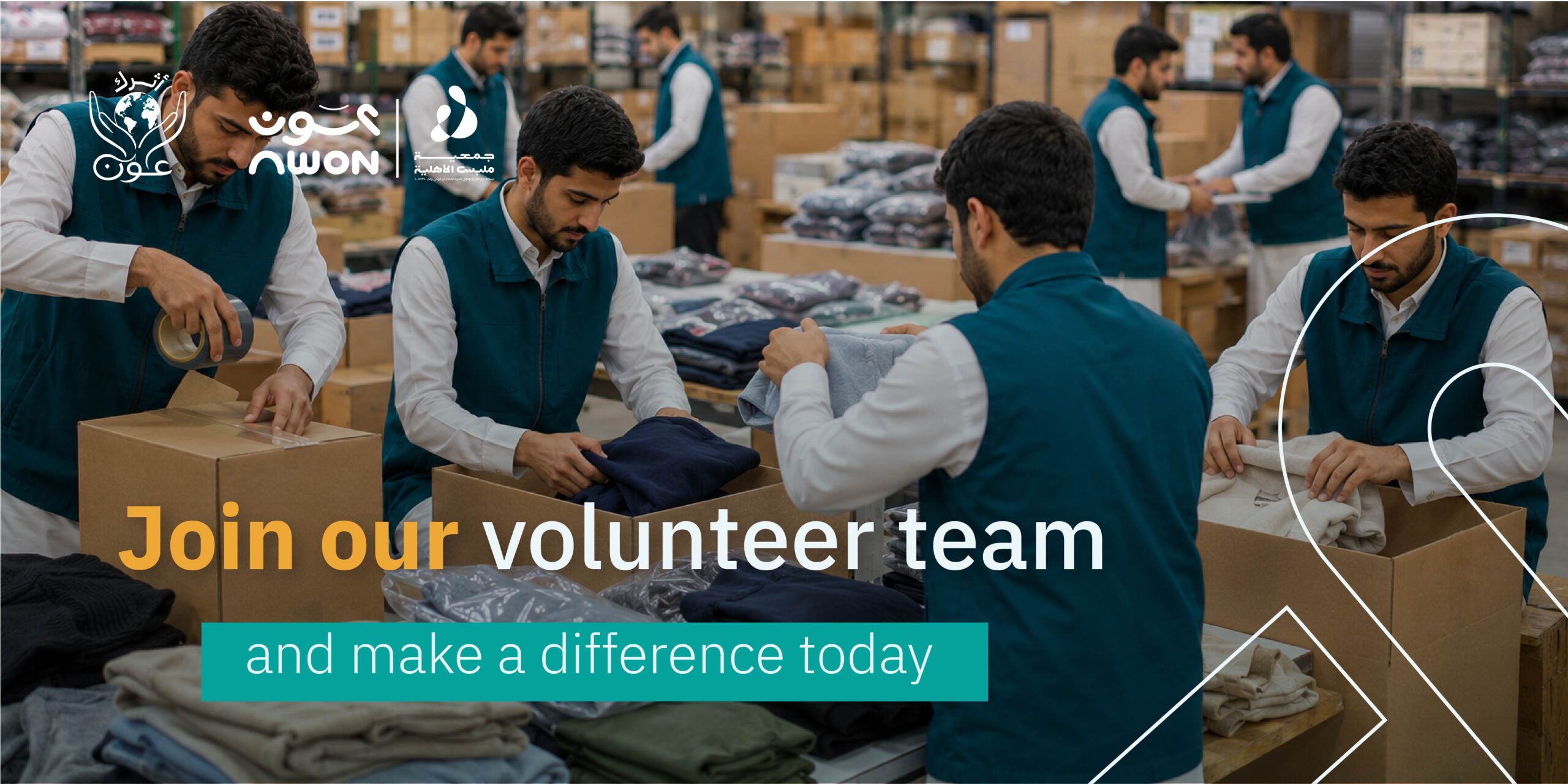
When sorting through your wardrobe, you might wonder what clothes are acceptable for donation. The standard is simple: items should be clean, functional, and ready to wear without needing repairs. Avoid donating pieces with heavy stains or damage, as every donation should be a gift of dignity. If a garment is still in great shape and you would proudly give it to a friend, it is a perfect fit for a charity. Let’s make sure your “gently used” favorites find a second life where they are needed most.
What Clothes Are Acceptable for Donation?
Acceptable items include any clean garments that fulfill their original purpose, such as shirts that still have all their buttons, trousers with working zippers, and coats that provide actual warmth. Donation clothing standards exist to ensure that the individuals receiving the items, often those in vulnerable positions, are treated with respect and receive items that boost their confidence rather than burdening them with repairs.
1- Determining “Gently Used” vs. Unusable
The term “gently used” is the industry standard for clothes that show minor signs of wear but are still structurally sound and aesthetically pleasing. Think of a garment like a used book; a few dog-eared pages are fine, but if the cover is missing and half the chapters are torn out, it’s no longer a book.
- Gently Used: A t-shirt that has been washed several times but still holds its shape and has no holes.
- Unusable: A t-shirt that is so thin it’s see-through, has frayed edges, or possesses a collar that is completely stretched out.
- The “Vibrancy” Test: If the colors are still recognizable and the fabric hasn’t “pilled” into a rough texture, it is likely acceptable.
2- The Quick Check: Stains, Tears, and Odors
Before you place anything in a donation bag, it is vital to perform a “five-second audit” on each piece. This prevents the charity from having to spend their limited funds on waste disposal.
- Stain Inspection: Check under the arms, around the collar, and on the cuffs. Permanent ink or grease stains usually disqualify an item.
- Tear Audit: Look for “stress tears” along seams or holes in pockets. Small, fixable loose threads are okay, but large rips in the fabric are not.
- The Scent Check: Items that have been sitting in a damp garage or a dusty attic often develop a “musty” smell. Always wash your donation clothing standards items before handing them over to ensure they are fresh and ready for their new owner.
High-Demand Items: What Charities Need Most
Charities have a constant need for versatile basics, weather-appropriate outerwear, and specialized clothing that helps people regain their footing in the workforce. While every donation helps, focusing on these high-demand categories ensures your generosity has the maximum possible impact on the local community.
When you are considering donating clothes to poor families, think about the items that are most expensive to buy new, as these are the most helpful to receive.
1- Everyday Essentials: Tops, Bottoms, and Outerwear
Basics are the “building blocks” of a wardrobe. A person can mix and match a few high-quality basics to get through an entire week of work or school.
- Plain T-shirts and Polos: These are always in demand for men and children.
- Denim and Trousers: Sturdy jeans and khakis are highly valued because they last a long time.
- Outerwear: Light jackets for the spring and heavy sweaters for the winter are among the first items to be claimed from charity shelves.
2- Seasonal Priority: Winter Coats and Summer Staples
The timing of your donation can be just as important as the items themselves. A heavy wool coat is a “life-saver” in December but a storage burden in July.
- Winter Needs: Focus on heavy coats, hoodies, and thick socks. Think of these as “portable warmth” for families who may not have luxury heating.
- Summer Staples: Lightweight cotton abayas, thin shirts, and breathable fabrics are essential for surviving the Kingdom’s intense summer heat.
- Footwear: Sturdy, closed-toe shoes are a year-round necessity, especially for children who are constantly outgrowing their sizes.
3- Professional Attire: Helping Job Seekers Succeed
One of the most powerful things you can donate is a “second chance” in the form of professional clothing. For someone trying to re-enter the workforce, a clean suit or a modest professional dress can be the key to a successful interview.
- Men’s Wear: Suits, blazers, dress shirts, and ties.
- Women’s Wear: Professional abayas, blazers, and modest office attire.
- The “Confidence” Factor: When a job seeker feels they look the part, their performance improves. Your old blazer could be the reason someone secures their next paycheck.
4- Children’s Apparel and Baby Clothes
Children outgrow their clothes at an incredible rate, often leaving behind items that are still in perfect condition. Because kids’ clothes are replaced so frequently, they represent a significant financial strain for low-income parents.
- School Uniforms: If your children have moved to a new school or size, their old, clean uniforms are incredibly helpful.
- Infant Onesies: Baby clothes are often only worn a few times before being outgrown.
- Play Clothes: Durable items that can withstand the playground are always welcome.
Read also about: What Should I Do Before Donating Clothes?
What Not to Donate: Items Often Rejected
Items that are usually rejected are those that pose a hygiene risk, items that are broken beyond reasonable repair, or gear that no longer meets modern safety standards. It is important to remember that a charity is not a trash service; every item that is rejected takes up time and space that could have been used to help a family.
The Hygiene Rule: Undergarments and Swimwear
For health and safety reasons, most charities have a strict policy against used undergarments.
- Underwear and Socks: Only donate these if they are brand new and still in their original, sealed packaging.
- Swimwear: Used swimsuits are rarely accepted due to hygiene concerns.
- Bedding: While some places take blankets, used pillows are often rejected because they can harbor allergens or pests.
Severely Damaged or Altered Textiles
A garment that has been heavily modified or is falling apart at the seams is difficult for a charity to rehome.
- The “Cut-off” Rule: Avoid donating jeans that have been cut into shorts with raw, fraying edges.
- Hardware Issues: A coat with a broken main zipper is a “cold coat.” Unless the recipient has the tools and money to fix the zipper, the coat cannot fulfill its purpose.
- Paint and Oil: Clothes used for house painting or car repairs that have permanent chemical stains or smells should be kept out of the donation bag.
Safety Recalls and Outdated Kids’ Gear
While this article focuses on clothes, many people include baby gear in their clothing bags. It is vital to be careful with these items.
- Old Car Seats: These have expiration dates and should never be donated if they are old.
- Recalled Items: Always check if a brand of children’s pajamas or gear was recalled for flammability or choking hazards before donating it.
Know more about: Where to Donate Old Clothes
When to Choose Textile Recycling Over Donation
If you have clothes that are “worn to the bone”, meaning they are ripped, stained, or have lost their shape, do not put them in the donation bin. Instead, look for a clothes condition for donation guide that points you toward textile recycling.
- The “Rags” Category: Old towels, holy socks, and stained shirts can be recycled into industrial rags or insulation.
- The Benefit: Recycling keeps these fibers out of the landfill, which is a win for the environment, even if they can’t be worn again.
Not sure if your items are a fit for AWON? We’re here to help! Get in touch with our team to learn more about our current needs and how you can support our upcoming campaigns.
FAQ
Can I donate clothes with small stains?
If the stain is very small (like a tiny dot) and in an inconspicuous place, it might be accepted. However, any noticeable stain on the front of a shirt or the seat of trousers is usually cause for rejection. Try to treat the stain before donating; if it doesn’t come out, consider recycling the item instead.
What about underwear?
Only donate underwear, bras, or socks if they are brand new with tags or in their original, unopened packaging. Used undergarments are a health hazard and are discarded immediately by sorting teams.
Do charities accept kids’ clothes?
Yes, children’s clothes are one of the most requested items. Because children grow so quickly, charities are always in need of various sizes, especially sturdy play clothes and school-appropriate outfits.