If you’ve ever wondered about the clothes donation process explained, it’s best described as a professional logistics chain with a heart. This system takes your unwanted items through collection and meticulous sorting to ensure they meet high-quality standards. By the time a garment reaches a new owner or a recycling facility, it has become a vital part of a sustainable social mission.
Clothes Donation Process Explained
It is a coordinated relay where items move through a series of “checkpoints” to ensure they reach the people who need them most in the best possible condition. Think of it as a professional courier service for kindness; your donation is the package, and the charity is the logistics hub that ensures it doesn’t just sit in a corner but reaches its “destination of impact.” This donation workflow is designed to filter out unwearable items and prioritize garments that can immediately improve someone’s life.
1- From Your Home to the Charity
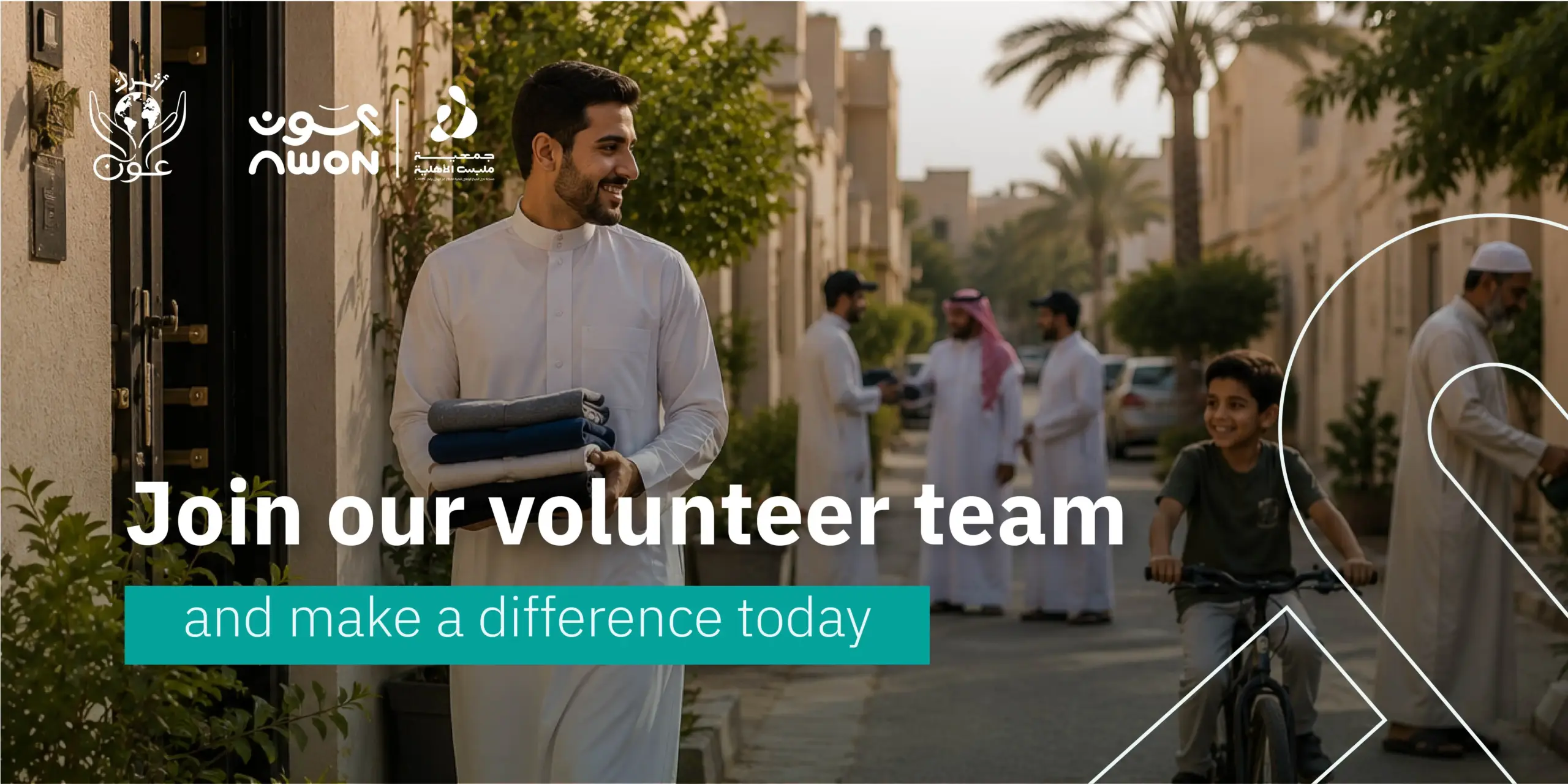
The first stage begins at your front door. In the Saudi context, this has evolved from physical drop-off bins into a sophisticated digital request system.
- The Request: You use an app or website to log your address and the number of bags you have.
- The Dispatch: A collection team receives your GPS coordinates and adds your home to their daily route.
- The First Mile: Uniformed drivers collect the bags, ensuring they are sealed to protect the fabric from dust and humidity during the drive to the central facility.
2- How Items Are Evaluated?
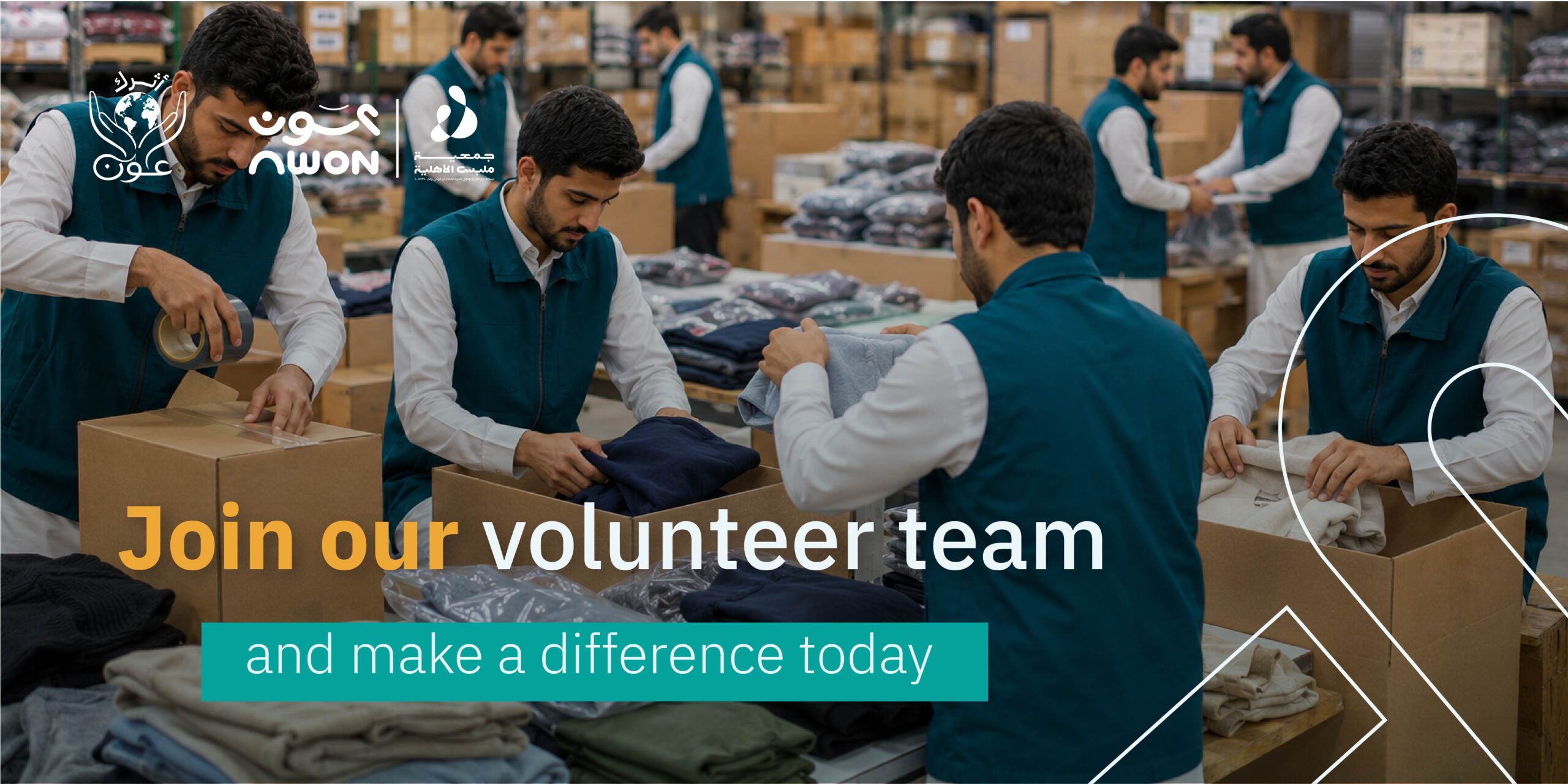
Once the truck unloads, the question often asked is: Can old clothes be donated? The answer depends on the “Evaluation Phase.” Every item is laid out on a sorting table and checked by trained staff.
- Grade A (Like-New): These are items with no visible wear, often with tags still on. These go to “priority distribution” for festive occasions like Eid.
- Grade B (Gently Used): These are clean, functional clothes that show minor wear but are still very respectable. These are the “daily essentials” for families.
- Grade C (Recycling): Items that are torn, stained, or have broken zippers are diverted here. They are not “thrown away” but sent to be shredded into industrial fibers.
3- Staff and Volunteer Roles
The “engine” of any charity’s operations consists of a diverse team of dedicated individuals, each playing a specific part in the donation workflow.
- Logistics Coordinators: They are the “air traffic controllers” who manage driver routes to save fuel and time.
- Professional Sorters: These individuals are trained to spot small defects that might make a garment undignified. They treat every item as if they were choosing it for their own family.
- Social Workers: They manage the lists of families in need, ensuring that the right sizes and types of clothes reach the right homes based on real-time needs.
- Warehouse Managers: They oversee the “hibernating inventory,” making sure winter coats are ready for the cold season, and school uniforms are available before the first semester starts.
4- Common Challenges
Understanding how NGOs handle clothes also means acknowledging the hurdles they face daily. It is not as simple as taking a bag and handing it over; the logistics can be complex.
- Contamination: If one damp item is placed in a bag, it can cause mold to grow on every other garment, ruining the entire donation.
- Off-Season Influx: Receiving 5,000 winter coats in the middle of a 45-degree July requires massive warehouse space and climate control to prevent the fabric from degrading.
- Logistical Costs: Fuel, vehicle maintenance, and warehouse rent are significant expenses. This is why charities appreciate it when donors sort and clean their items beforehand; it reduces the “processing time” and associated costs.
Know more about: lifecycle of donated clothes
Why Quality Standards Are Non-Negotiable?
When we look at the clothes donation process, the most important factor is the “dignity check.” Charities are not waste management companies; they are support systems. Providing a family with a shirt that is missing buttons or a pair of trousers with a broken zipper isn’t a gift; it’s a burden.
The goal is to provide a “ready-to-wear” solution. Think of it like a library; you wouldn’t donate a book with the last ten pages missing. You want the person receiving it to have the full, positive experience.
The Power of “Ready-to-Wear” Aid
- Immediate Use: Most families in need don’t have the spare cash for repairs or professional cleaning.
- Dignity: Receiving a clean, crisp item makes the recipient feel seen and respected by their community.
- Efficiency: High-quality items move through the sorting center faster, reaching the destination in days rather than weeks.
Partnering with AWON: A Model of Professionalism
AWON Charity has set a high standard for how these operations should be handled within the Kingdom. They have refined the traditional model into a streamlined, tech-driven experience that respects both the donor’s time and the recipient’s needs.
- Diverse Acceptance: You don’t need to worry about being too specific; their teams are equipped to handle all varieties of clothing, every type of footwear, and all sorts of bags and accessories.
- User-Friendly Ordering: They have removed the administrative friction from giving. You can organize a collection through their digital platform in a matter of moments.
- Complimentary Home Pickup: One of the most significant benefits is their free-of-charge collection service. They bring the “charity center” to your doorstep, so you don’t have to carry heavy bags across the city.
- Network of Trust: Your donations are handled by officially certified organizations and dependable partners, guaranteeing that every item follows an ethical and legally recognized path.
What works in clothing charities?
The most successful clothing charities are those that prioritize logistics and quality control. When a charity has a clear digital system for pickups and a professional sorting facility, they can help more people with less waste. Transparency is the key; donors want to know that their items aren’t sitting in a landfill.
Is there quality control?
Absolutely. Professional charities like AWON perform multiple checks on every garment. The first check occurs during collection, and a deeper, more technical check takes place at the warehouse to categorize items by size, gender, and condition. Anything that doesn’t meet the “wearability” standard is sent for fiber recycling.
How do charities fund themselves?
While the clothes themselves go to those in need, the operations (trucks, staff, warehouses) are funded through private donations, corporate sponsorships, and, sometimes, by selling unusable “textile waste” to recycling companies that turn the fibers into industrial materials.