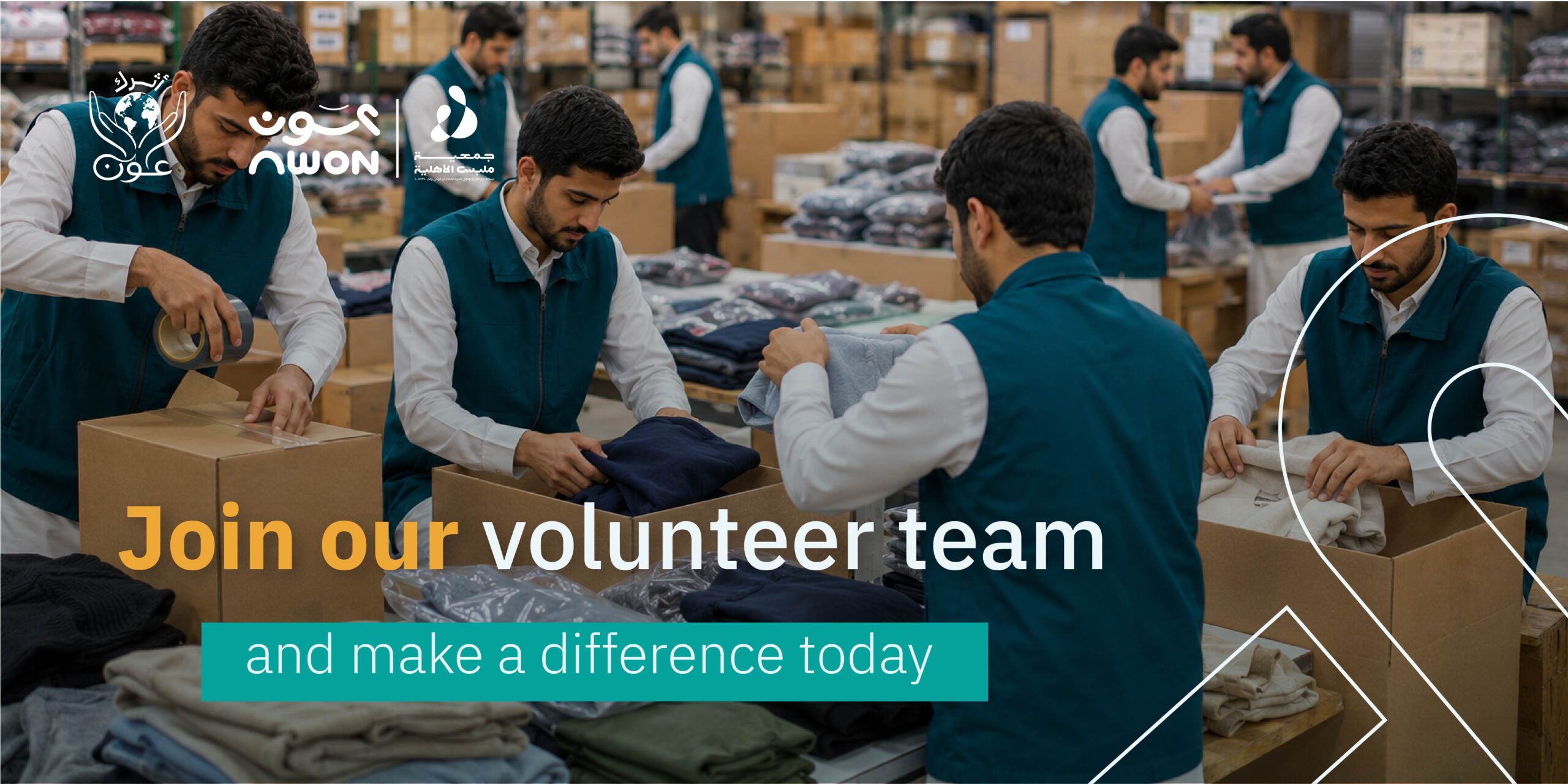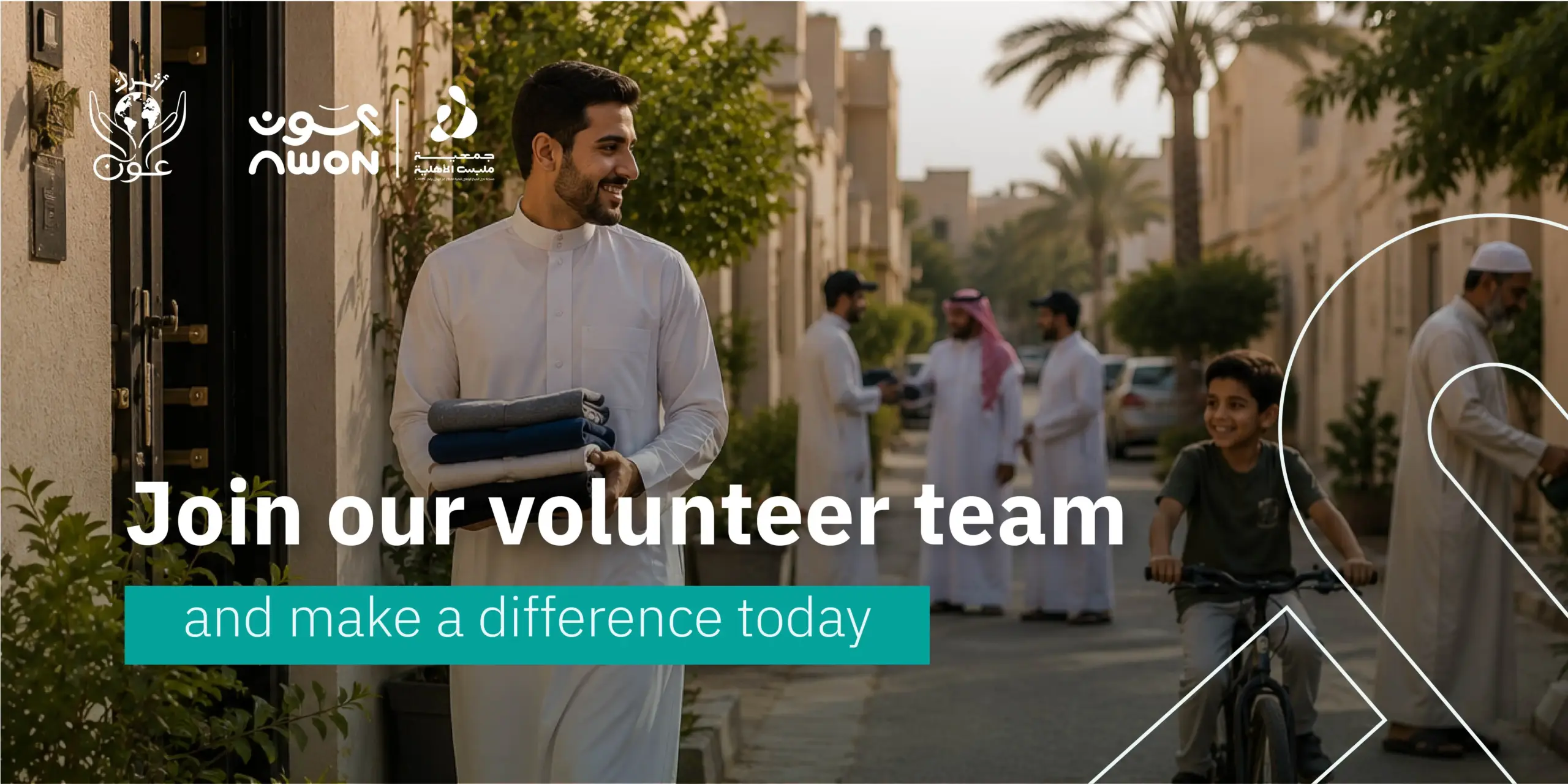
Clothing distribution to needy families is a delicate process that requires balancing high-speed logistics with a deep commitment to human dignity and social respect. It is the final and most critical stage of the charitable journey, where items collected from generous donors finally reach the individuals who need them most.
To be truly effective, distribution must go beyond just “giving things away”; it must ensure that the clothing is seasonally appropriate, correctly sized, and delivered in a way that makes the recipient feel empowered rather than marginalized. A successful system treats the recipient like a valued guest, ensuring they receive a “gift” that is ready for immediate use.
Best Practices for Clothing Distribution to Needy Families
The most effective way to distribute clothes to poor communities is to implement a “Dignity-First” model, which treats the aid recipient as a participant in the process rather than a passive observer. Best practices involve pre-sorting items so that only high-quality, clean garments are handed out, and using data-driven systems to match the available inventory with the specific needs of local households. Think of the distribution system as a bridge; if the bridge is built poorly, the help never reaches the other side. A strong charity delivery system ensures that the bridge is sturdy, reliable, and respectful of everyone who crosses it.
Identifying Families in Need
Finding and verifying the families who truly require support is a process rooted in transparency and community trust. Most organizations use a combination of local government data, collaboration with neighborhood leaders, and direct field assessments to build their distribution lists. This is like a doctor’s diagnosis; you cannot provide the right “cure” (the aid) without first understanding the “patient’s” specific situation.
- Database Management: Professional charities maintain secure, private databases that list family sizes, ages of children, and specific urgent needs (like a need for work boots or infant wear).
- Field Visits: Social workers often visit neighborhoods to identify “hidden” cases of need—families who may be too proud or too isolated to ask for help themselves.
- Collaboration: Working with local mosques and community centers helps charities cross-reference their lists, ensuring that aid is spread fairly and that no household is forgotten.
Distribution Events and Centers
The environment in which clothes are distributed plays a huge role in how the aid is received. Leading charities have moved toward creating “Community Boutiques” or organized distribution events that feel more like a community gathering than a hand-out line.
- Fixed Distribution Centers: These are permanent locations that look like retail shops. Families can visit by appointment, browse the racks, and “shop” for what they need in a clean, brightly lit environment.
- Pop-Up Events: For neighborhoods that are far from a central hub, charities set up temporary events in community halls. These events are often scheduled around school starts or religious holidays to maximize impact.
- Quality Presentation: Clothes should never be handed out in trash bags. They should be hung on racks or folded neatly on tables. This small change in presentation sends a powerful message of respect to the family.
Challenges in Last-Mile Delivery
The “last mile” is often the most difficult part of the charity delivery system, referring to the final physical journey from the warehouse to the recipient’s hands. In a country as vast as Saudi Arabia, reaching remote villages or high-density urban areas presents unique hurdles. Think of last-mile distribution as the final stretch of a marathon; it is where the most effort is required to cross the finish line successfully.
- Geographic Barriers: Reaching families in distant mountainous or desert regions requires specialized vehicles and careful route planning to ensure aid doesn’t get delayed.
- Timing and Access: In busy cities like Riyadh, traffic and restricted access to certain residential zones can slow down delivery vans.
- Privacy Concerns: Delivering aid to a home must be done discreetly. A branded truck parked outside someone’s house for an hour can sometimes cause unintended social discomfort for the family. Professional drivers are trained to be swift, respectful, and private.
Read also about: Donating Clothes To Poor
Direct vs. Center-Based Distribution
Direct distribution involves bringing the clothing directly to the recipient’s home (ideal for the elderly or remote areas), while center-based distribution requires the family to visit a specific location to collect their items. Both methods have their place in a healthy clothing distribution to needy individuals, but they serve different purposes. Direct delivery is about “Accessibility,” while center-based delivery is about “Choice and Dignity.”
Direct Distribution (The Home-Delivery Model):
- Pros: It is perfect for people with limited mobility, such as the elderly or mothers with many small children. It ensures that those who literally cannot leave their homes are not excluded from the support system.
- Cons: It offers less choice for the recipient, as the charity must pre-select the items based on the family’s profile.
Center-Based Distribution (The Boutique Model):
- Pros: It provides the highest level of dignity by allowing families to browse and try on clothes. It also creates a “social hub” where families can connect with other services the charity might offer, such as food or medical assistance.
- Cons: It can be difficult for families who live far away or lack reliable transportation to reach the center.
Revolutionizing the Giving Cycle with AWON Charity
AWON Charity has redefined the standard for how aid is handled in the Kingdom, creating a system that honors the donor’s intent while maximizing the recipient’s benefit. They have moved away from outdated, disorganized methods and replaced them with a tech-driven, empathetic approach that ensures every piece of clothing finds its perfect second home.
- A Simple Path to Generosity: They have eliminated the complexity of donating. Through an intuitive digital interface, you can organize a pickup in moments, making the act of giving a natural part of your routine.
- Full Spectrum Acceptance: You don’t have to sort through your items to see if they fit a narrow list. AWON welcomes all varieties of clothing, every type of footwear, and a diverse range of bags, ensuring your entire contribution is valued.
- Free-of-Charge Home Collection: One of the most significant barriers to giving is transport. AWON solves this by offering a complimentary service where they come to your residence to collect the items, handling all the heavy lifting on your behalf.
Know more about: Clothing Donation Sorting Process
How do charities find families in need?
Charities use a mix of “Top-Down” and “Bottom-Up” approaches. They receive data from official social welfare departments and also work with local neighborhood “Omda” or mosque imams who know the specific struggles of the people in their immediate area.
Can families request specific items?
Yes, in many modern systems, families can submit “wish lists.” If a student needs a specific type of shoe for gym class or a father needs a warm coat for a night shift, the charity’s sorting team looks for those specific items in the incoming inventory to fulfill the request.
How often are distributions held?
Large-scale distributions usually happen seasonally (winter and summer) and before major holidays like Eid Al-Fitr and Eid Al-Adha. However, “Direct Distribution” for emergency cases or newly registered families often happens on a weekly basis to ensure immediate needs are met.