
Knowing when to donate clothes is the difference between simply emptying a closet and actually changing a life; the most impactful time to give is at least two to three weeks before a major seasonal or religious event. By timing your contribution correctly, you ensure that charities have enough time to sort, clean, and distribute your items exactly when they are needed most. This prevents warehouse bottlenecks and ensures a child has a warm winter coat before the first frost, rather than weeks after the cold has already set in.
Spiritual Seasons: When to Donate Clothes During Ramadan and Eid
The best time for a Ramadan donation is during the middle of the month of Sha’ban or the first few days of Ramadan. By donating early in the holy month, you give organizations the necessary time to categorize items and distribute them so families can celebrate Eid Al-Fitr with dignity and joy. Waiting until the final few nights often creates a massive bottleneck, where beautiful clothes sit in a warehouse instead of being worn on the day of Eid.
Sharing the Joy: Ensuring Festive Apparel for Every Child
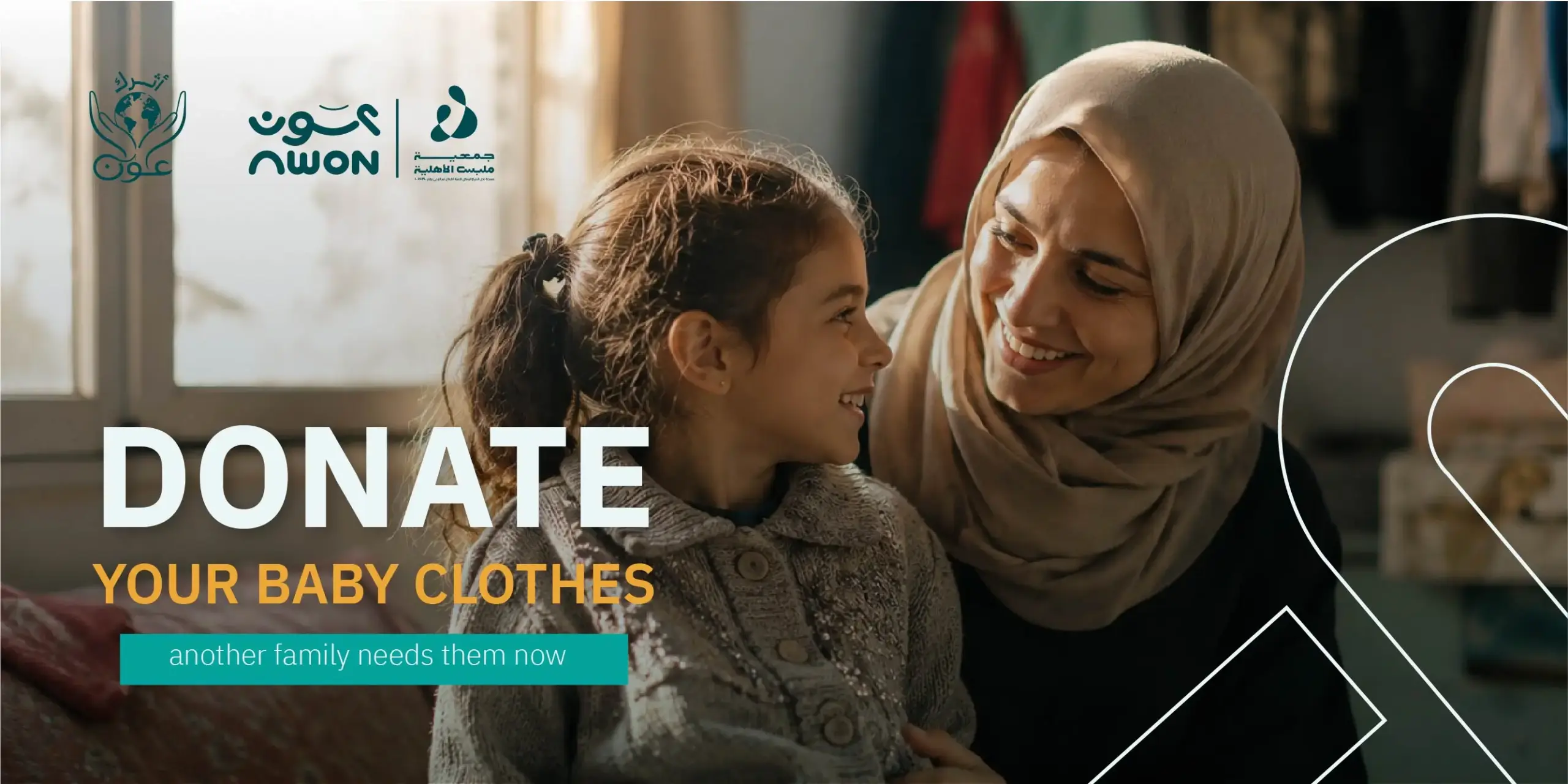
Every child looks forward to the “Eid outfit” as a symbol of celebration and new beginnings. To make this a reality for everyone, focus on these priorities:
- Early Sorting: Go through your children’s festive wear in the weeks leading up to Ramadan.
- Condition Check: Ensure these items are in “like-new” condition, as they are meant for a celebration.
- Complete Sets: If you are donating a thobe, try to include the matching accessories so the outfit is ready to wear.
- Gifting Mindset: Treat these items as a gift you are sending to a relative, rather than just clearing out a closet.
The Last Ten Days: Maximizing Your Charitable Contributions
While early giving is logistically better, the final ten days of Ramadan are a peak time for spiritual reflection and donating clothes to poor communities. If you have missed the early window, you can still make a huge impact by:
- Useing a professional donation pickup service to ensure your items are moved quickly.
- Focusing on high-quality daily wear that families will need immediately after the Eid holidays.
- Providing clean, modest clothing that can be used for prayer and communal gatherings.
The Seasonal Shift: Donating Before Weather Changes
The best season to donate is always the one that is just about to arrive; for example, you should begin your winter clothes donation in late September or early October. This gives the charity a “head start” to reach remote areas where the cold hits first. A heavy coat is essentially a “portable shelter” for someone living in a poorly insulated home, but it only provides that shelter if it arrives before the first frost.
Preparing for Winter: Essential Outerwear and Layers
When the temperature drops, the demand for warmth becomes an urgent survival need. Your winter clothes timing should prioritize these items:
- Heavy Coats and Jackets: These are the most sought-after items during the colder months.
- Thermal Layers: Clean sweaters, hoodies, and long-sleeved shirts.
- Woolen Accessories: Hats, scarves, and gloves, especially for children who are more vulnerable to the cold.
- Blankets and Quilts: While not “clothes,” these are often collected during winter drives and are life-saving.
Summer Transitions: Providing Lightweight Comfort for Families
As the Kingdom transitions into the scorching summer months, families need breathable, lightweight fabrics to stay safe in the heat.
- Timing: Aim for late February or March to start your summer donation cycle.
- Fabric Choice: Prioritize cotton and natural fibers that allow for airflow.
- Sun Protection: Lightweight long-sleeved shirts and hats are vital for those who spend time outdoors.
- Footwear: Sturdy but breathable shoes that can withstand the hot pavement.
Academic Milestones: Supporting Students During the School Year
The most critical donation timing for students is the three weeks before the first semester starts in August and the period leading up to the second semester in January. These are times of high financial pressure for parents.
Providing school-appropriate clothing during these windows helps children enter the classroom feeling equal to their peers, which is a massive boost to their confidence and academic focus.
Refreshing School Uniforms and Daily Essentials
Outgrown school uniforms are a treasure for local charities. If your child has moved up a size, don’t let the old uniform sit in a drawer.
- Standard Uniforms: White shirts, grey or navy trousers, and school-colored dresses/pinafores.
- Backpacks and Bags: Sturdy bags that are still in good condition.
- Daily Basics: Plain white t-shirts, socks, and comfortable shoes for physical education.
Seasonal Sports Gear and Winter School Wear
Many families struggle to afford the extra layers needed for the school day during the colder months.
- School-Appropriate Sweaters: Plain navy, black, or grey hoodies and cardigans.
- Rain Gear: Light waterproof jackets for the occasional rainy school morning.
Beyond the Calendar: Practical Year-Round Giving Tips
If you are unsure where to donate old clothes throughout the year, the best approach is to establish a consistent system at home. Waiting for a massive “annual purge” often leads to hundreds of items being dumped on charities at once, which is harder for them to manage than a steady, monthly stream of high-quality goods.
Creating a Home Donation Station for Consistent Giving
Think of your donation station as a “launchpad” for items starting their second life. Having a dedicated spot makes the process effortless:
- The Dedicated Box: Place a sturdy box or bin at the bottom of a closet.
- The Immediate Action Rule: As soon as you realize an item no longer fits or is no longer worn, wash it and put it in the box immediately.
- The Full-Box Trigger: Once the box is full, do not let it sit for weeks. This is your signal to book a professional pickup.
- The Dignity Check: Every time you add an item, ask: “Is this ready for someone to wear to a job interview or a family gathering?”
Assessing Quality: Is Your Clothing Ready for a New Home?
The impact of your gift is determined by its condition. A garment that needs a major repair is a “burden” on the charity’s resources, whereas a ready-to-wear item is a “blessing.”
- The Button & Zipper Test: Make sure all fasteners work perfectly.
- The Stain Inspection: Check under the arms and around the collar in bright light.
- The Smell Test: Ensure items are freshly laundered and have no “storage” scent.
- The Pockets Sweep: Always double-check for cash, old tissues, or personal IDs.
Efficiency meets empathy. Trust AWON Charity to handle your donations with care, ensuring they reach those in need with total dignity.
FAQ
Should I donate before or after Ramadan?
It is always better to donate before Ramadan starts. This allows the charity to sort your items and distribute them to families so they can be worn throughout the month and on the day of Eid.
Is there a ‘wrong’ time to donate?
There is no “wrong” time to be kind, but there is “off-season” donating. For example, giving heavy winter coats in the middle of summer means the charity has to pay for storage for six months. If you have the space, try to hold onto seasonal items until their peak season is approaching.
When do charities need clothes the most?
The peak demand is usually two weeks before the start of the school year, the first week of Ramadan, and the first “snap” of cold weather in the winter.